
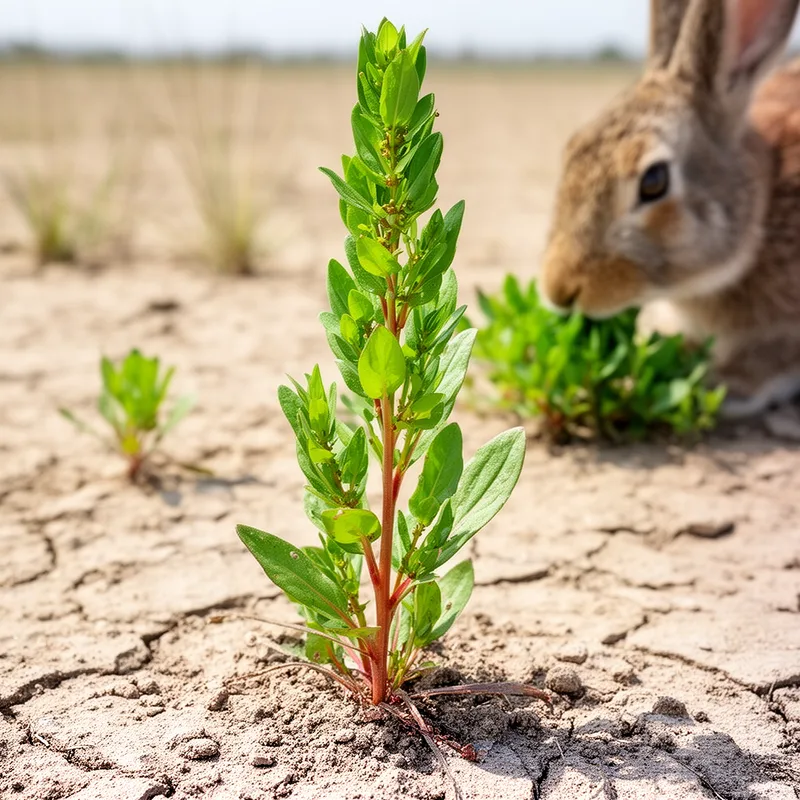
Rumex acetosella
- noun
- Specialized
- The leaves of Rumex acetosella add a tangy flavor to salads and soups.
Examples
-
The Rumex acetosella is often found in dry meadows.
-
Rumex acetosella often thrives in sandy, well-drained soils where few other plants grow.
-
Wildlife, especially rabbits, are known to feed on the leaves of Rumex acetosella.
-
I discovered a patch of Rumex acetosella while hiking.
-
Rumex acetosella is commonly found in dry areas, where its acid-tasting leaves thrive.
-
The acid-tasting leaves of Rumex acetosella can be used in herbal remedies.
-
Rumex acetosella often grows in sandy soils, especially in sunny locations.
Synonyms
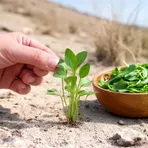
A small plant with arrow-shaped sour leaves often eaten in salads and growing in dry places

A small plant with arrow-shaped sour leaves often used in salads
Surface Forms
Morphology
Rumex + acetosella
The binomial name is partially informative: 'Rumex' identifies the genus (docks/sorrels) which points toward a sorrel-like plant, while 'acetosella' is a Latin-derived element related to 'aceto-' (sour), which matches the acid-tasting quality in the definition. However, this relies on botanical/Latin root knowledge rather than ordinary English composition, so the meaning is only partially predictable for an average B1 learner.
Etymology
Rumex acetosella comes from Latin words. The first part, Rumex, was used for dock plants with spear-shaped leaves, and acetosella means 'a little sour' because its small leaves taste sour, so the name fits this small sour plant.

