
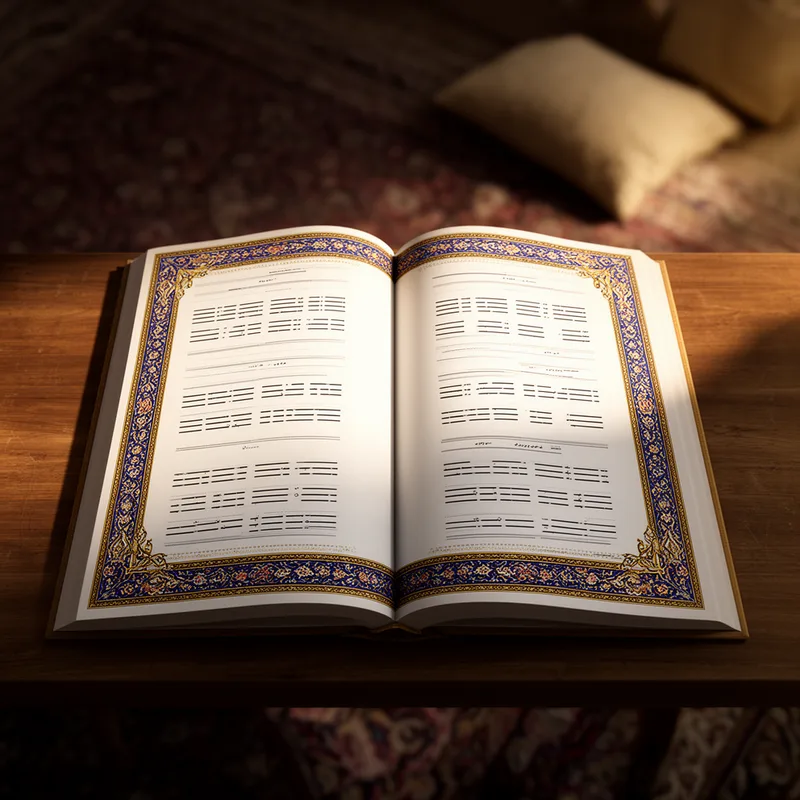
Rubaiyat
 1
9.9

- noun
- /ruːˈbaɪ.jɑːt/
- Literature
- Many students read the Rubaiyat of Omar Khayyam in their literature classes.
- Rubaiyat of Omar Khayyam
- read the Rubaiyat
Examples
-
"The other day, I can't tell you why, I read the Rubaiyat again?
Fiction book (1993) -
Already on the first page of the preface, his quotation from the Rubaiyat of Omar Khayyam suggests that such "fantasies" might be shaped by traditional creeds, particularly when referred to as "the Master Knot of Human Fate" (4).
Academic text (2013) -
" When they were young, they both knew the Rubaiyat by heart.
Fiction book (1991) -
The Rubaiyat of Omar Khayyam is a classic.
-
To commemorate the occasion, I shall write a piece to my lady of the casbah, something in the style of the "Rubaiyat."
-
"I ordered the "Rubaiyat" - soup, salad, bread, and wine, while Jilly chose an Ichabod Crane salad.
Fiction book (1990) -
And I kept thinking of you, no doubt because you wrote me last year that your father had read the Rubaiyat aloud to you and said it was a rhymed version of the Book of Ecclesiastes.
Fiction book (1993) -
Gabriel is dozing (ting-ting, dong-dong), passages from the Rubaiyat swirling in his head.
Fiction book (1991) -
Checked all the links and found them super, especially the quote "... it was like what Omar Khayyam said in the Rubaiyat: 'Like dew upon the desert's dusty face, lighting an hour or two is gone.'"
Blog text (4) -
The Rubaiyat is known for its beautiful quatrains exploring themes of love and mortality.
Synonyms
Surface Forms
Etymology
Rubaiyat comes from the Persian word ruba'i, which means 'a poem of four lines'. A Rubaiyat is therefore a book or group of these short, four-line poems, like the famous one by Omar Khayyam.