
Rhizopogonaceae
- noun
- /raɪˌzoʊpəˈɡoʊnəˌsiː/
- Specialized
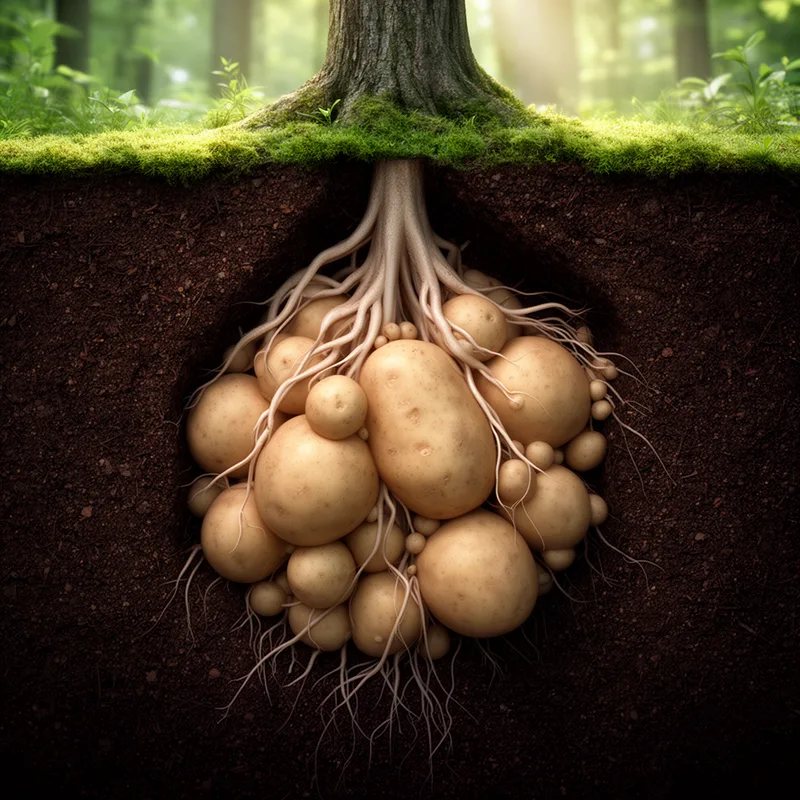
- The Rhizopogonaceae family of fungi is known for its unique underground fruiting bodies, which help in nutrient exchange in forest ecosystems.
Examples
-
Scientists are studying the symbiotic relationships formed by Rhizopogonaceae with tree roots.
-
Truffles produced by Rhizopogonaceae are vital to many small mammals' diets.
-
Members of the Rhizopogonaceae play important ecological roles in forest soils.
-
The Rhizopogonaceae family includes many fascinating species.
-
Have you ever studied Rhizopogonaceae fungi?
-
Researchers have discovered that the Rhizopogonaceae form vital mycorrhizal associations with various tree species.
-
Many species within the Rhizopogonaceae are considered key players in maintaining the health of forest soils.
Surface Forms
Morphology
Rhizopogonaceae = Rhizopogon (semi-transparent) = Rhizopogon + aceae
The form is a standard taxonomic family name formed from the genus 'Rhizopogon' plus the family-forming suffix '-aceae', which is clear to those familiar with scientific naming but requires domain knowledge.
Etymology
Rhizopogonaceae breaks into the Greek parts rhizo- 'root' and pogon 'beard'. This gives a simple 'root-beard' image and is a helpful way to remember that this family of fungi lives with tree roots and often makes round, truffle-like bodies underground.

