

Regency
 1
8.2
1
8.2

- noun
- /ˈriːdʒənsi/
- A tufted sofa, a Flemish tapestry, a brass-bound Regency-style table--
- Regency furniture
- Regency romance
- Regency period
Loading YouTube…
Watch on YouTubeSo I guess a bit of a live in the Regency era or modern times.
- So I guess a bit of a live in the Regency era or modern times.
- It was kind of sold to me as like not Bridgerton esque but like Regency era England.
- It was like a quick stand alone, mainly romance with the backdrop of like Regency era London and Aries.
Examples
-
Catherine was there already, prim on a Regency chair covered in golden watered silk and toying with a glass of sherry.
Fiction book (1995) -
Next up, we have a dress that's sent in by Izzy, who would like to make this into more of a Regency dress.
-
A low table and on it was the most beautiful Regency bowl she had ever seen.
Fiction book (1991) -
I am bogged down in the last section of my Regency romance.
Blog text (5) -
Readers of Regencies want certain things from the books they buy.
Blog text (7) -
Regency-era fiction projects and notes for eight more writing projects are in progress.
Blog text (16) -
It was kind of sold to me as like not Bridgerton esque but like Regency era England.
-
A Regency woman might truly have no choice but to become a rich man's mistress or to starve (or let her family starve).
Blog text (17) -
The Regency period, from 1811 to 1820, saw significant changes in fashion and culture in Britain.
-
During the Regency, George IV became the Prince Regent while his father was unable to rule.
Synonyms
 1
7.9
1
7.9
The time when someone rules instead of a king or queen who cannot rule
 1
6.6
1
6.6
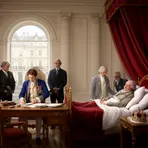
The years 1811 to 1820 in Britain when the prince ruled because the king was ill
Compounds
Surface Forms
Morphology
Etymology
Regency comes from the Latin root reg- meaning 'to rule', the same root in regent and reign'. So Regency names a time when a regent** rules for someone else — in Britain from 1811 to 1820 the Prince Regent ruled while King George III was unwell, which is why we call that time the Regency.