
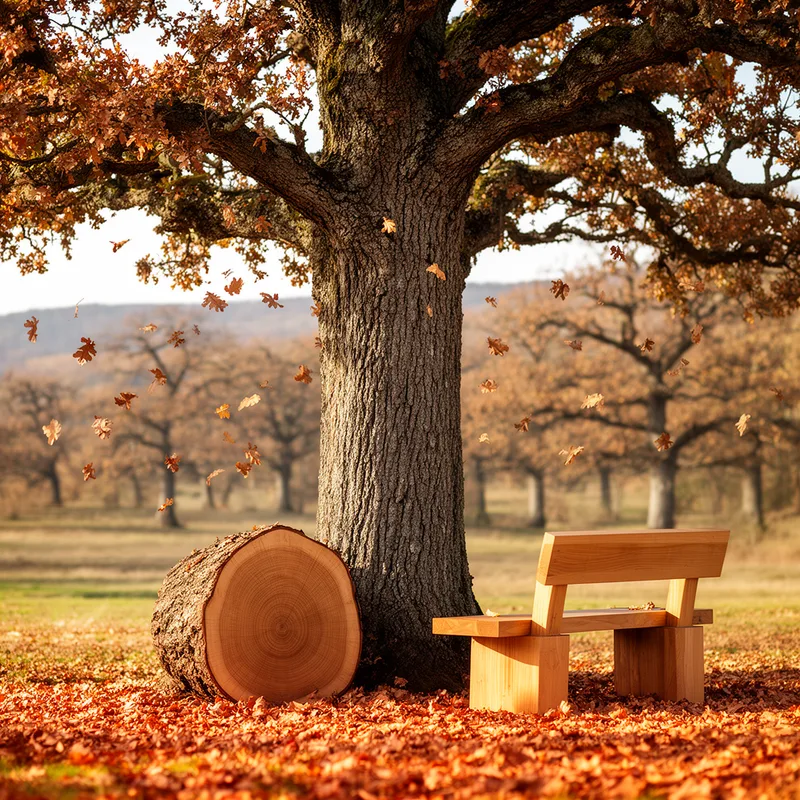
Quercus sessiliflora
- noun
- Specialized
- Many carpenters prefer Quercus sessiliflora for its durable wood.
Examples
-
Many forests in France and Germany consist largely of Quercus sessiliflora trees.
-
The Quercus sessiliflora tree can grow up to 40 meters tall.
-
Furniture made from Quercus sessiliflora wood is prized for its strength and durability.
-
The Quercus sessiliflora is widespread across central and western Europe.
-
Furniture made from Quercus sessiliflora wood is prized for its strength and durability.
-
Many carpenters prefer Quercus sessiliflora for its tough and elastic wood.
-
In Europe, Quercus sessiliflora is often used to make high-quality flooring.
Synonyms
A large European oak tree with leaves that have rounded edges and strong wood for furniture
A European oak tree with tough, flexible wood used for furniture and building
How Big


Surface Forms
Morphology
Quercus + sessiliflora
This is a Latin scientific binomial: while 'Quercus' can be recognized as the oak genus, 'sessiliflora' is a specialized Latin botanical epithet (not a common English word) and is not transparently interpretable by a B1 learner. Because the second element is technical/unknown and the full species name requires domain knowledge, the meaning cannot be derived from the constituents by an average learner.
Etymology
Quercus sessiliflora comes from Latin: Quercus means 'oak' and sessiliflora is made from 'sessile' ('sitting') and 'flora' ('flowers'). So the name paints a picture of an oak whose flowers or acorns sit directly on the branch without a stalk, which is why it is called the 'sessile oak'.