
Pākehā
- adjective
- /ˈpɑːkəˌhɑː/
- New Zealand
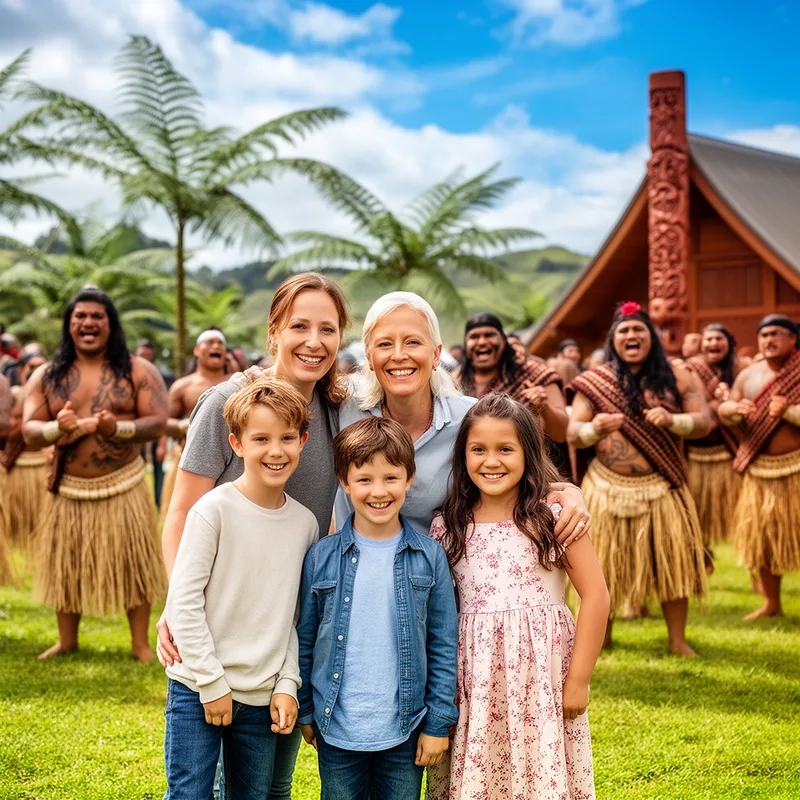
- The festival celebrated both Māori and Pākehā heritage through music and food.
Examples
-
Some traditional Pākehā customs differ greatly from those of the Māori population.
-
The Pākehā community has played a significant role in shaping modern New Zealand society.
-
The Pākehā culture has a significant influence on New Zealand society.
-
Many Pākehā celebrate Waitangi Day each year.
-
The Pākehā community in New Zealand often participates in cultural exchange programs with the Māori.
-
Many Pākehā families enjoy traditional Māori feasts during special occasions.
-
The Pākehā population has contributed to New Zealand's diverse cultural landscape over the years.
Surface Forms
Etymology
Pākehā comes from the Māori language and was used for early European visitors, meaning something like 'stranger' or 'white person'. So, when we describe a custom or style as Pākehā, we mean it relates to the non-Māori people or their culture in New Zealand.

