
Pākehā
9.9
A person in New Zealand who is not Māori, usually of European background
- noun
- /ˈpɑːkəˌhɑː/
- New Zealand
:
Pākehā
- The history of Pākehā settlement in New Zealand is taught in local museums.
Examples
-
Some Pākehā have learned to speak the Māori language fluently.
-
Many Pākehā enjoy celebrating Māori culture.
-
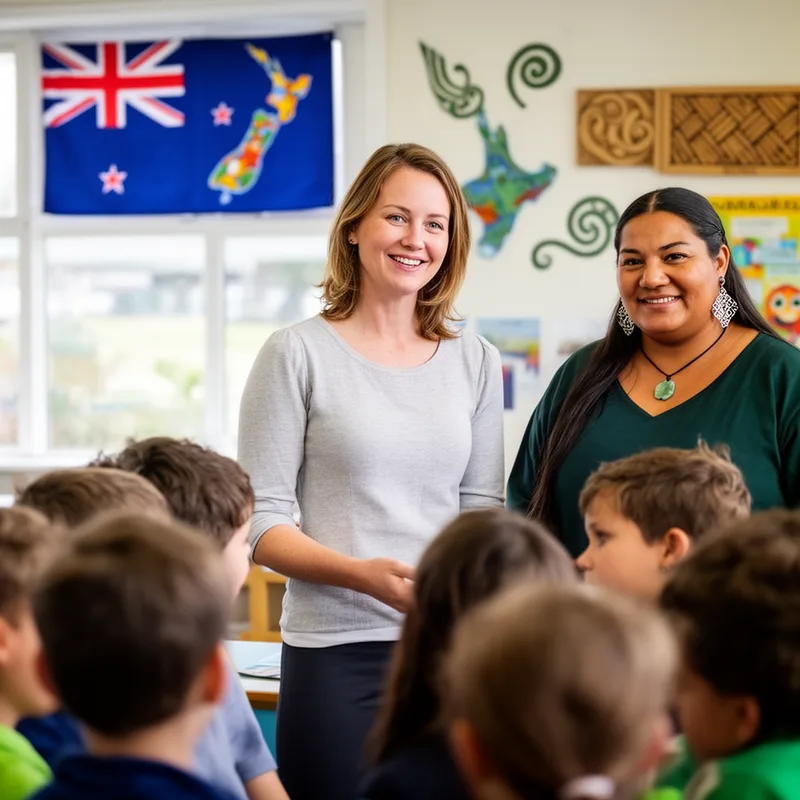
Many Pākehā and Māori work together in New Zealand schools.
-
Are you a Pākehā or of Māori descent?
-
Most Pākehā enjoy celebrating their cultural holidays with their families.
-
In New Zealand, many Pākehā contribute to advocacy for Māori rights.
-
As a Pākehā, she learned about the history and traditions of the Māori people.
Surface Forms
Etymology
Pākehā comes from Māori and originally named early European visitors as 'strangers' or 'white people'. So, a Pākehā today is a person in New Zealand who is not of Māori descent, often with European roots.

