
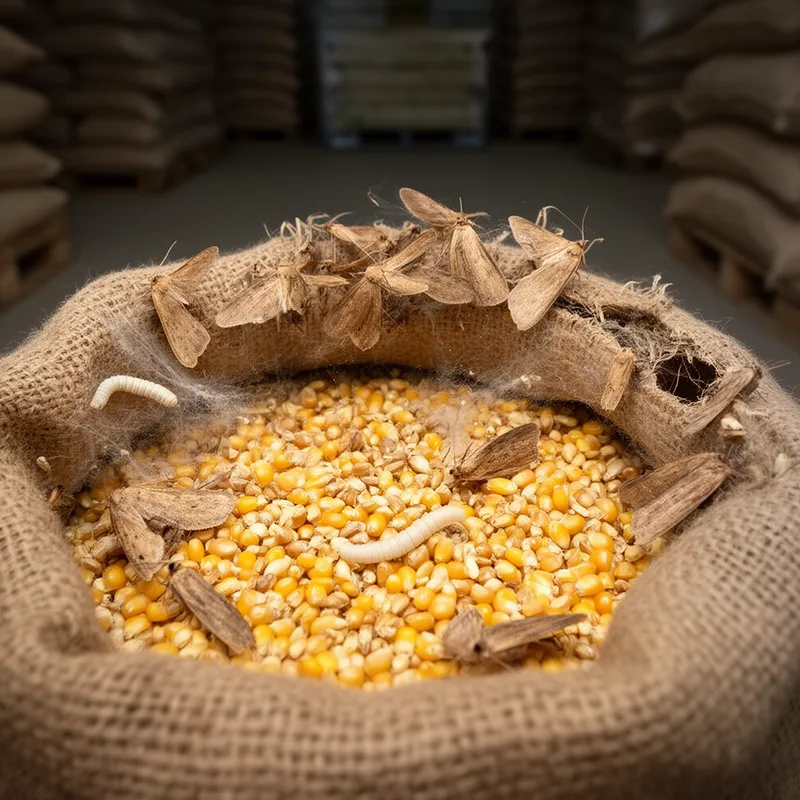
Pyralididae
- noun
- /ˌpɪrəlɪˈdiːə/
- Specialized
- Researchers studied the life cycle of the Pyralididae to improve pest control methods.
Examples
-
The Pyralididae include many species that can damage grains in storage.
-
Some members of the Pyralididae are known for infesting beehives.
-
The Pyralididae family includes several species that damage crops.
-
Many Pyralididae moths are considered pests in agriculture.
-
The Pyralididae family contains numerous species that are notorious for damaging stored food products.
-
Agricultural experts are focusing on the Pyralididae to develop strategies for controlling crop pests.
-
Farmers must be vigilant against Pyralididae moths, as they can severely impact harvest yields.
Synonyms

A group of moths like flour moths and corn borers that often damage crops and stored food
A group of moths with a long snout that often damage crops or stored food
Surface Forms
Morphology
Pyralididae = pyralid + idae
The word is a scientific family name built from a Latinized taxon stem plus the specialized taxonomic suffix '-idae', which is not meaningful to an average B1 learner and the stem is not a transparent English base.
Etymology
Pyralididae comes from the scientific name Pyralis plus the family ending -idae; Pyralis is linked to the Greek root pyr- meaning 'fire', and a helpful way to remember this is that these moths often come to lamps or flames. So, Pyralididae are a family of moths—many of them pests that damage crops and stored food—and the name reminds you they are moths attracted to light.

