
Pus


 1
9.9
1
9.9
- noun
- Indian
- Thus, the primary approach to science education has been a PUS model under which scientists and science educators fill the information deficit of the public and emphasize the "unlearning" of misconceptions (e.g., Fraknoi 2005).
Examples
-
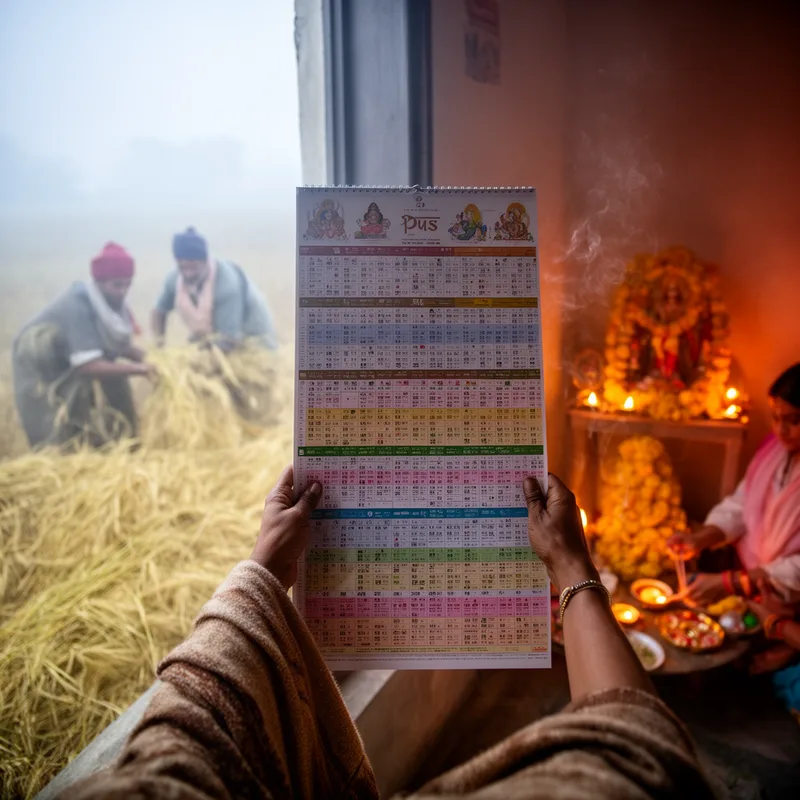
In the Hindu calendar, pus is the month that typically falls in December and January.
-
Many festivals are celebrated during pus, including the celebration of winter solstice.
-
The prevailing approach to communicating science outside the classroom in the United States has been a model called the public understanding of science (PUS), also known as the science literacy model (Nisbet and Goidel 2007, McCallie 2009).
Academic text (2011) -
Families often prepare special meals to honor traditions during the month of pus.
Synonyms

A month in the Hindu lunar calendar that falls around December and January and is important for religious ceremonies
Compounds

- Specialized
A type of bacteria that causes infection and makes pus in wounds
Surface Forms
Etymology
The word Pus comes from an old Indian month name, the Sanskrit pauṣa, and it appears today as Poush in Bengali. So Pus means the 'tenth month' of the Hindu calendar, a winter month around December and January when many festivals and harvests take place.