
Port-au-Prince
 11
4.8
11
4.8

- proper noun
- /ˌpɔːrtoʊˈprɪns/
- Port-au-Prince grew from a city of 150,000 inhabitants in 1950 to 732,000 in the early 1980s, and to about 3 million in 2008, or almost one third of Haiti's population of 9.8 million.
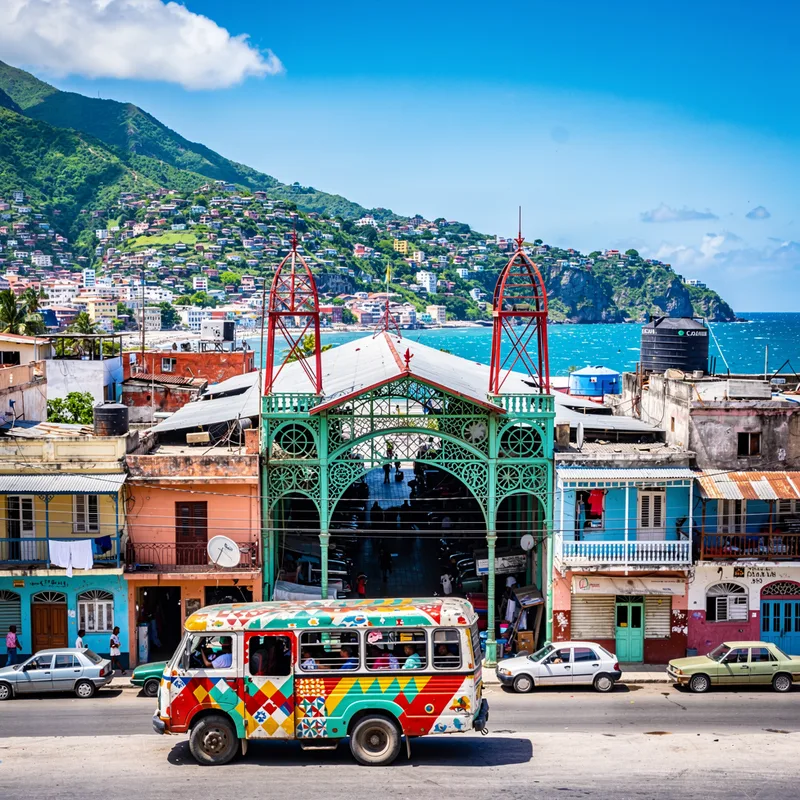
- street in Port-au-Prince
Examples
-
Those trucks go to Cite Soleil in Port-au-Prince, the Haitian capital, six days a week throughout the year, providing the 300,000 individuals in the slum with clean and safe water.
Blog text (26) -
In August 1991 in Port-au-Prince, a friend warned me: "You better get off the streets because word is that a coup d'état is in the works."
Academic text (1997) -
The rest live in Cap Haitien and Port-au-Prince.
Academic text (1997) -
It was dangerous driving through Port-au-Prince without a military escort.
Blog text (7) -
After refueling in Miami, the jet continued to Port-au-Prince.
Blog text (7) -
The question above (in Kreyl) was put to me by a woman who sold coffee and bread rolls on a street corner in Port-au-Prince.
Academic text (1997) -
The story is shocking and it disrupts the continuous flow of the street in Port-au-Prince, with the cars chugging along and the people passing by.
Academic text (1997) -
Historically, for instance, Haiti has had a restrictive policy including both taxes and limits on imports of petroleum fuels, and as a result, people in the capital, Port-au-Prince, mainly use charcoal for cooking.
Academic text (1999) -
Conditions of life in Haiti, wretched for most Haitians even in the best of times, took a sharp turn for the worse earlier this year when an earthquake measuring 7.0 on the Richter scale struck not far from the capital of Port-au-Prince.
Academic text (2010) -
The capital and largest city of Haiti, Port-au-Prince, is known for its vibrant culture and history.
Synonyms
 1
3.2
1
3.2
A city called Port-au-Prince that is the largest city and capital of Haiti
Surface Forms
Etymology
Port-au-Prince comes from French parts port 'harbour', au 'of the', and prince 'prince', so it originally meant 'the prince's harbour'; a helpful way to remember that it is an important port city and the capital of Haiti.