
Podocarpaceae
- noun
- Specialized
- Botanists are studying the evolutionary history of Podocarpaceae to understand conifer diversification.
Examples
-
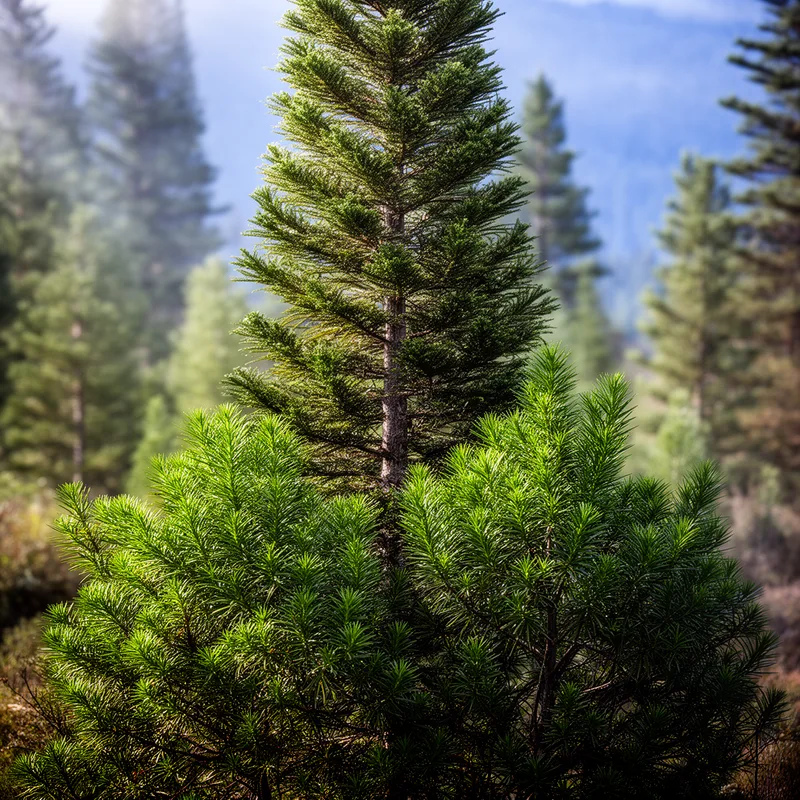
Members of the Podocarpaceae family have needlelike or scalelike leaves adapted to a range of habitats.
-
The Podocarpaceae are widespread in southern temperate forests, especially in New Zealand and South America.
-
The Podocarpaceae family includes many unique species.
-
Are there any Podocarpaceae trees in your area?
-
In the Southern Hemisphere, the Podocarpaceae family features trees and shrubs with needlelike leaves.
-
Several tropical regions are home to species of Podocarpaceae, which are known for their unique leaf structures.
-
The Podocarpaceae plants thrive in a variety of climates, showcasing their adaptability to different environments.
Synonyms

A group of evergreen trees and shrubs with thin, needlelike leaves that stay green
Surface Forms
Etymology
Podocarpaceae comes from Greek parts podo- ('foot') and -carp ('fruit'), because the small fruits of these trees sit on a little stalk like a tiny foot. That's why this name fits a family of southern cone-bearing trees and shrubs — the 'footed' fruit helps you remember which group of plants it is.

