

Plethodontidae
- noun
- /plɛθəˈdɒntɪdi/
- Specialized
- Unlike most amphibians, adult Plethodontidae absorb oxygen through their skin instead of lungs or gills.
Examples
-
Scientists have discovered several new species within the Plethodontidae family in Central America.
-
Did you know that Plethodontidae are lungless salamanders?
-
The Plethodontidae are widely studied for their unique adaptations to terrestrial life.
-
The Plethodontidae family includes many unique species.
-
Adult Plethodontidae rely on moisture in their environment to absorb oxygen through their skin.
-
Researchers are studying Plethodontidae to learn more about their unique respiratory adaptations.
-
The Plethodontidae family contains many species that thrive in damp forest habitats.
Synonyms
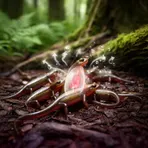
A group of small land salamanders that have no lungs as adults and breathe through their skin
Surface Forms
Morphology
Plethodontidae = Plethodon (opaque) = Plethodont + idae
Formed by a Latinized taxonomic suffix (-idae) attached to a genus stem (Plethodon → Plethodont-); this is a technical naming convention and not transparently meaningful to general learners.
Etymology
The word Plethodontidae comes from Greek parts pleth- 'many' and -odont- 'tooth' and the ending -idae that marks a family name. So it literally means 'many-toothed', a name given because these salamanders have many small teeth.

