

Photostat machine
- noun
- Archaic
- The architect used a photostat machine to produce quick copies of the blueprints for the construction project.
Examples
-
During the meeting, they relied on the photostat machine to duplicate the agenda for all attendees.
-
There are text edits on the page, production notes, white-out, miscellaneous dirt, and most pages were cut at the corners when removed from the photostat machine.
Blog text (31) -
To make multiple copies of the important document, she placed it in the photostat machine.
Synonyms
 1
4.9
1
4.9

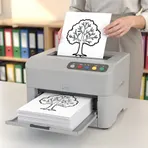
A machine that makes exact copies of papers and drawings

 1
9.9
1
9.9
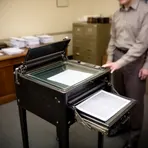
A machine that makes a photographic copy of a paper document
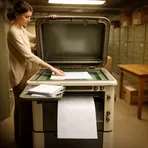
An old machine used to copy documents before modern photocopiers
How Modern

Surface Forms
Morphology
The meaning is directly compositional: 'Photostat' denotes a device that makes photographic duplicates and 'machine' denotes a powered device, so a learner who knows both words can infer this is a duplicating device. The noun+noun compound follows a common English pattern (similar to 'copy machine' or 'photocopier') and has clear cross-linguistic parallels, making it immediately understandable.
Etymology
The noun Photostat machine comes from early machines that used light to make a photo, a picture of a page, and then put that picture on special paper as a fast 'copy'. That's why Photostat machine means 'a machine for quickly copying documents'.