
Peridiniidae
- noun
- /ˌpɛrɪˈdɪniˌaɪdi/
- Specialized
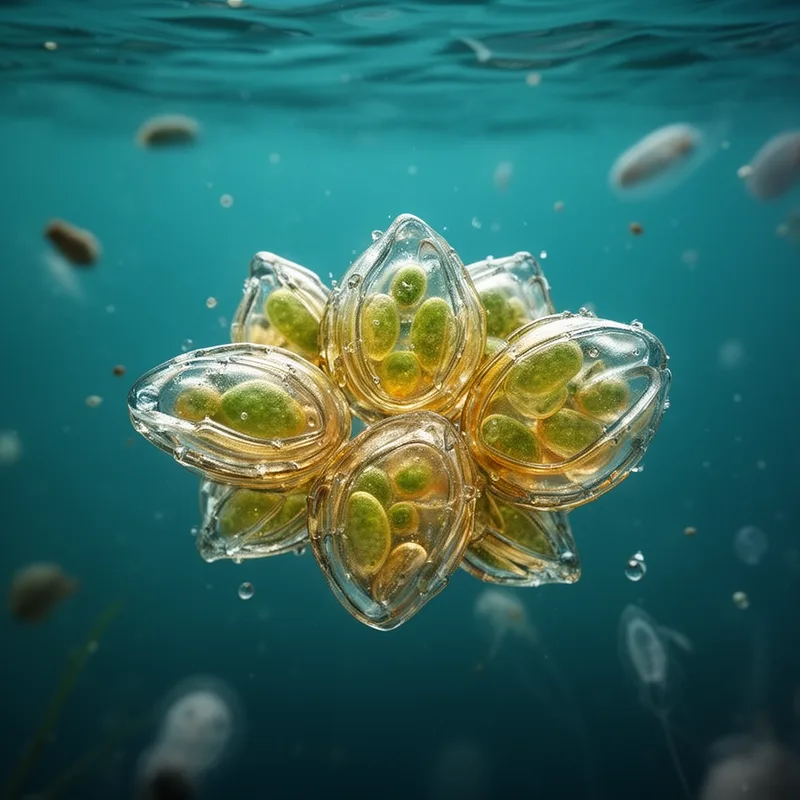
- Under the microscope, various species within Peridiniidae display unique cell wall structures.
Examples
-
Scientists collected samples of Peridiniidae from both the river and the lake for their research.
-
Blooms of Peridiniidae can significantly change the composition of plankton communities.
-
The Peridiniidae family includes many species of dinoflagellates.
-
Some Peridiniidae are bioluminescent, creating stunning displays at night.
-
In coastal waters, blooms of Peridiniidae can greatly affect local marine ecosystems.
-
Researchers found that species of Peridiniidae thrive in both saline and freshwater habitats.
-
The unique cell coverings of Peridiniidae often help scientists identify different species under a microscope.
Surface Forms
Morphology
Peridiniidae = Peridinium (semi-transparent) = Peridinium + idae
Formed by the standard taxonomic suffix '-idae' attached to the genus name 'Peridinium'; transparent to those familiar with biological nomenclature but specialized for general learners.
Etymology
Peridiniidae takes its name from the genus Peridinium plus the family ending -idae. A helpful way to remember it is that peri- means 'around', as in perimeter, and -idae marks a biological 'family' (as in Canidae for dogs), so Peridiniidae is the family group of Peridinium — a set of related, often armored, tiny plankton cells.

