
Parcae


 1
9.9
- noun
- /ˈpɑrki/
- Literature
- Writers sometimes invoke the Parcae as symbols of destiny beyond human control.
Examples
-
The Parcae control fate.
-
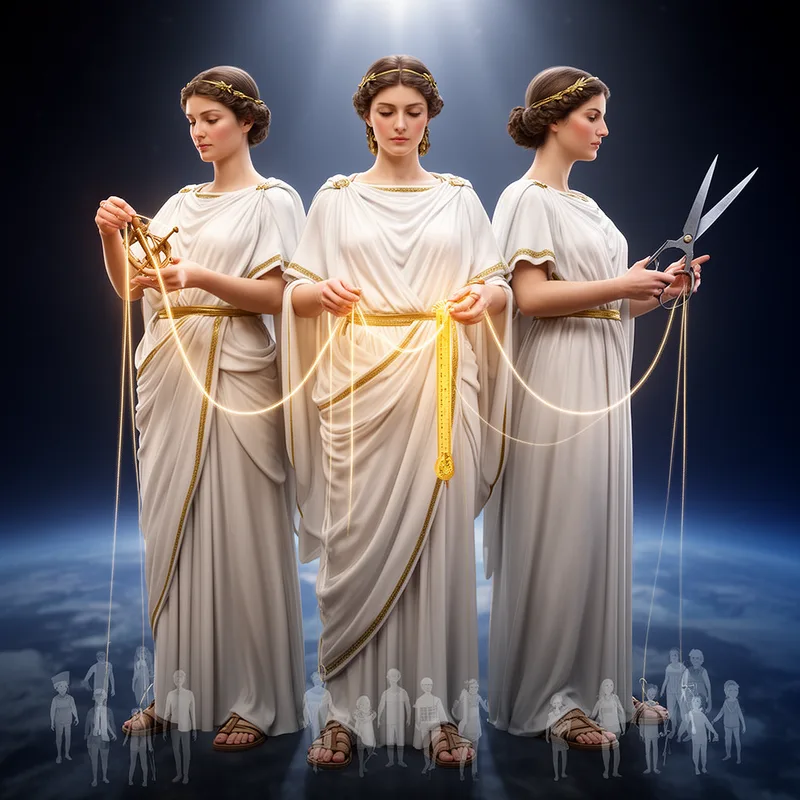
In ancient Roman art, the Parcae are often depicted as solemn women holding tools of fate.
-
The Parcae were believed to spin, measure, and cut the thread of human life.
-
The Parcae are powerful.
-
The ancient Greeks believed that the Parcae determined the length of each person's life.
-
In Roman mythology, the Parcae spun the thread of fate for all humans.
-
Many tales describe how the Parcae would decide the destiny of heroes and mortals alike.
Synonyms
 1
9.9
Three goddesses who decide the lives and fates of people and gods
Three Greek goddesses who decide how long people live and what happens to them
Surface Forms
Etymology
Parcae comes from Latin and names the three Roman goddesses who 'spin', 'measure', and 'cut' the thread of a person's life. That's why Parcae are used as symbols of 'fate' or 'destiny' and show forces beyond human control.