
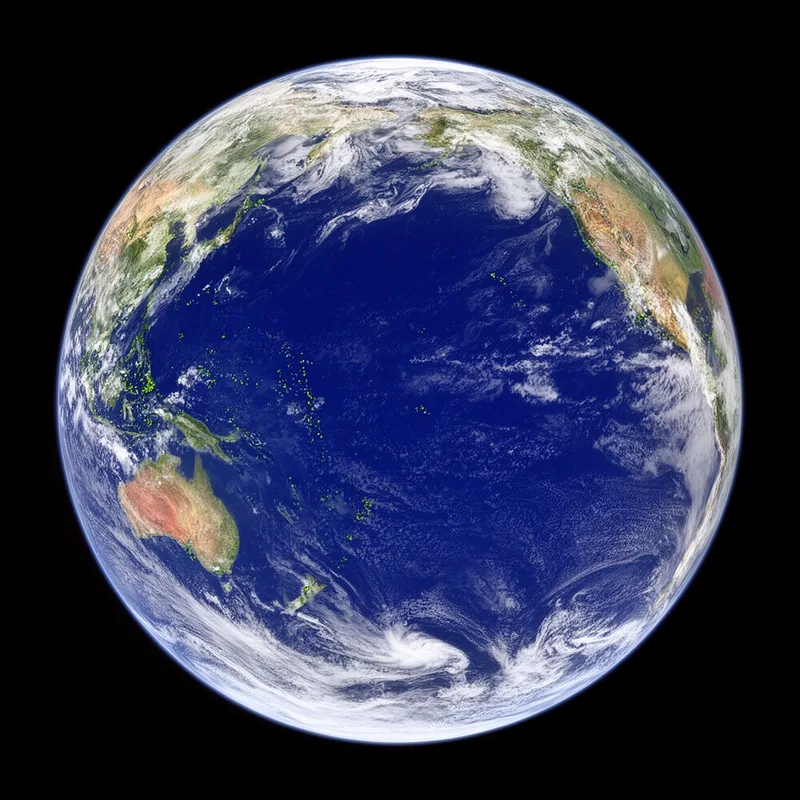
Pacific
 416
1.4
416
1.4

- proper noun
- /pəˈsɪfɪk/
- The Pacific Ocean is the largest and deepest ocean in the world, separating Asia and Australia from the Americas.
- Pacific Ocean
- North Pacific
Loading YouTube…
Watch on YouTubeThe Indian Ocean, the Atlantic Ocean, the Pacific Ocean, and the Arctic Ocean.
- The Indian Ocean, the Atlantic Ocean, the Pacific Ocean, and the Arctic Ocean.
- The Russians get to the Pacific before they get to Kiev.
- We will be just fine over the Pacific on Ana.
- So we have the whole Pacific Ocean next to us for dogs.
Examples
-
After much delay, the final flight, piloted by Delta Airlines, left Chicago-Midway at 3:45 Central Time, touching down in Seattle at 6:15 Pacific.
-
Over the punters' heads, out beyond the track, spreads the Pacific Ocean, unnoticed and ignored.
Fiction book (1990) -
Almost all of the South Pacific Island nations are gone.
-
If you, you know, travel across the entire Pacific, where is Christmas Island?
-
The sun sets into the South Pacific, and night begins to fall.
Fiction book (1990) -
The swimming area is about 15 miles from where the river empties into the Pacific Ocean.
Academic text (2011) -
There's some exchange of water there as well between the Pacific Ocean and the Arctic Ocean.
-
Our plane crashed in the endless Southern Pacific... ...and we drifted for days between life and death.
-
I was alone in a lifeboat... drifting across the Pacific Ocean.
-
I’m on this island in the South Pacific called Carabas.
Synonyms
 15
1.0
15
1.0
The largest and deepest ocean that lies between Asia and Australia in the west and the Americas in the east
Compounds
 31
3.6
31
3.6
A region in the northwestern United States that includes Washington and Oregon and sometimes parts of southwestern British Columbia
15
1.0
The largest and deepest ocean that lies between Asia and Australia in the west and the Americas in the east


- US
4
2.8
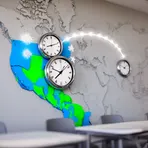
A time zone eight hours behind GMT used in the western United States and parts of Canada

 2
3.0
2
3.0
The standard time used on the west coast of the United States and Canada, 8 hours behind GMT

- Specialized

 1
2.7
1
2.7
A sea fish with white meat that lives in the North Pacific and people eat
- Specialized
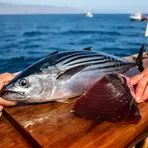
A fish like a small tuna with dark oily flesh from the Pacific coast of the Americas

- Specialized
A kind of dolphin with a rounded nose that lives in the Pacific Ocean
- Specialized
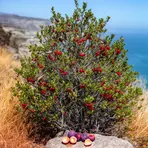
A shrub from the Pacific coast of the United States that makes small red fruit that is not very sweet

- Specialized
A sea turtle with an olive-coloured shell that lives in warm Pacific, Indian, and southern Atlantic waters

A small oily fish found off the Pacific coast of North America used for food or bait

- Specialized
A large salamander that lives in western North American forests

- Specialized
A large flatfish that lives in the northern Pacific and is eaten as food

- Specialized
A tall evergreen tree from western North America that provides wood for building

- Specialized
A small silver fish that lives in the northern Pacific Ocean and people eat
- Specialized
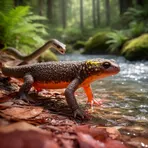
A rough-skinned newt that lives in western North America and has poison in its skin

A medium to tall fir from western North America with tiered branches and orange-scented needles when crushed

A small frog often heard along the Pacific coast that makes a loud repeating call

A large sea mammal with long tusks, whiskers, and thick blubber that lives on northern sea ice


A small shark that has two spines on its back and lives along the Pacific coast of North America

A large fish from rivers and the northwest coast of North America used for food

Surface Forms
Etymology
Pacific for the ocean comes from the Latin root pax meaning 'peace' and the old form pacificus meaning 'peaceful'. Early sailors called it the 'peaceful sea' when they found calm water, so the ocean's name literally means 'peaceful'.