
PPT


 1
6.3
- noun
- Specialized
- Using the maximum values, output would be 2.5 ppts lower than the alternative-plus scenario if all tax cuts are extended, and 2.7 ppts lower if only the tax cuts for lower incomes are extended.
Examples
-
Record all salinity data in parts per thousand (ppt).
Academic text (1995) -
If, in contrast, the tax cuts above certain thresholds were also extended, then output would be 1.4 ppts above.
Blog text (20) -
Increased soil salinities (now averaging 60 ppt).
Academic text (2001) -
Using the maximum values, output would be 2.5 ppts lower than the alternative-plus scenario if all tax cuts are extended, and 2.7 ppts lower if only the tax cuts for lower incomes are extended.
Blog text (20) -
Seedlings were young when Tijuana Estuary became nontidal in April 1984, and one likely cause of their mortality was the drying of surface soil and the rise in salinity to an average of greater than 100 ppt (Figure 9).
Academic text (2001) -
The ocean's salinity can be measured in parts per thousand, commonly abbreviated as ppt.
-
Fish can thrive in water with a salinity of around 35 ppt, which is typical for ocean environments.
-
To maintain healthy coral reefs, it is crucial to monitor salinity levels, often expressed in ppt.
Surface Forms
Etymology
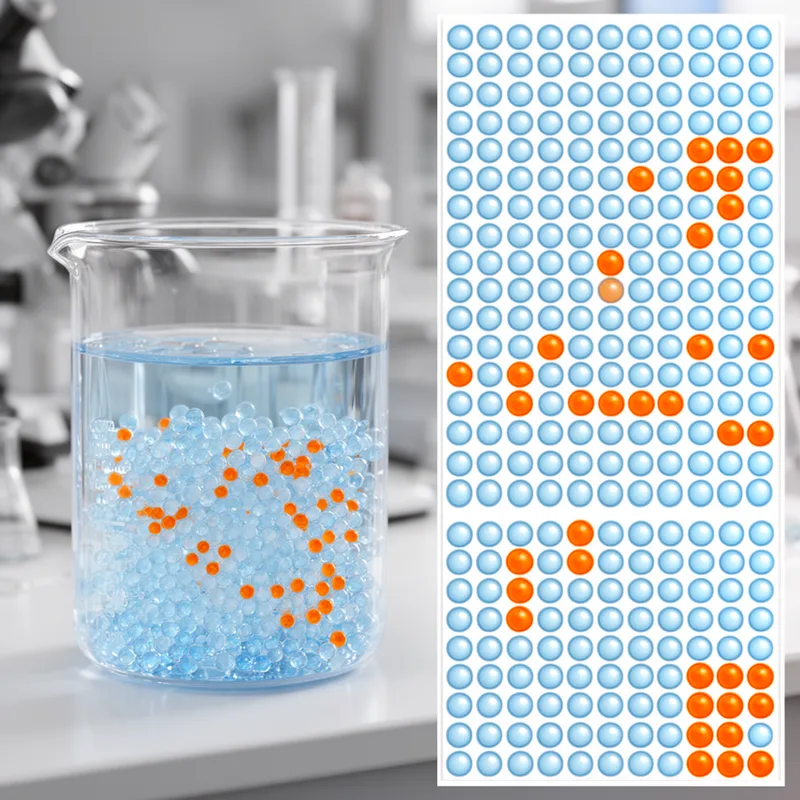
PPT stands for the phrase 'parts per thousand', like percent ('per hundred') but 'per thousand', so 35 PPT means 35 parts in every 1000 and is used to show how much of a substance is in a mixture.