
PLA


 1
6.5
- noun
- /piːˌɛlˈeɪ/
- Specialized
- FDM models were printed using a CubeX printer (3D Systems, USA) with PLA plastic.
- polylactic acid PLA
- PLA model
- compared with PLA
Loading YouTube…
Watch on YouTubeIt's that PETG opposed to PLA, which a lot of people use.
- It's that PETG opposed to PLA, which a lot of people use.
- So this particular model will do PLA and ABS because it has a heated print bed.
- So this is aluminum, it's only for the normal materials for PLA or ABS, but this one is frozen.
Examples
-
The PLA mandible models in our study were very accurate without the use of a strut.
Academic text (2015) -
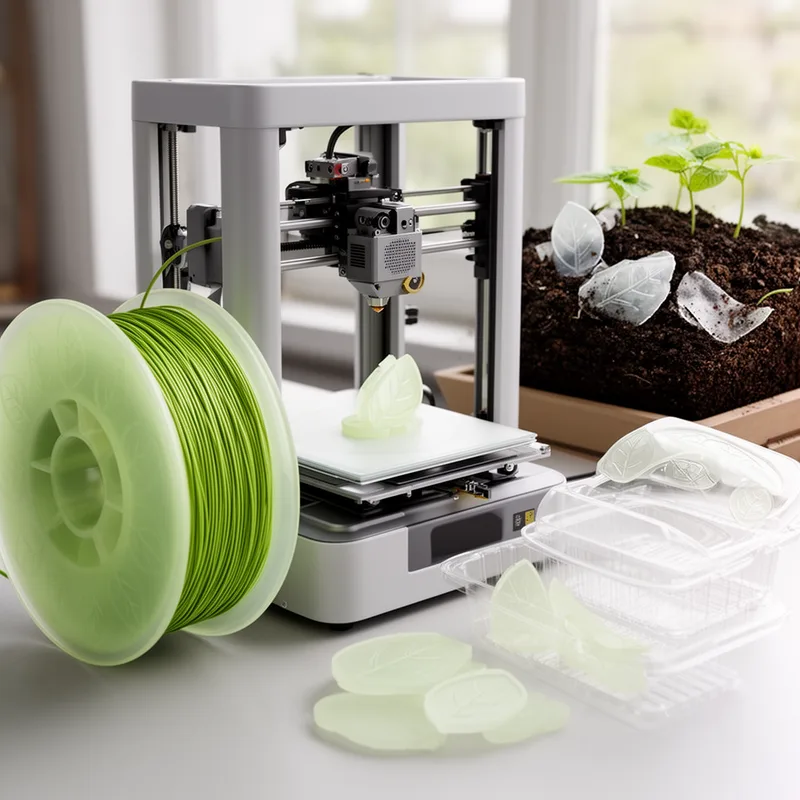
PLA is a biodegradable plastic widely used in PLA 3D printing and packaging.
-
So this is hollow inside this light PLA material.
-
PLA is a better choice than ABS.
Blog text (16) -
So I printed it in white PLA filament, crossed my fingers and took it to my bedroom to give it a try.
-
I've put in PLA, the bioplastic polylactic acid.
-
PLA is a plant-based plastic, which is hard and brittle once extruded.
Academic text (2015) -
Compared with ABS, PLA is less flexible with a lower melting temperature and undergoes hydrolysis when exposed to water (9).
Academic text (2015) -
Polylactic acid (PLA) and acrylonitrile butadiene styrene (ABS) are the two thermoplastics most commonly used in FDM printing.
Academic text (2015) -
In our workshop, we experimented with PLA to create a variety of eco-friendly prototypes.
Surface Forms
Morphology
PLA = P + L + A
PLA is an acronym/initialism (polylactic acid); the letters do not themselves convey the meaning to learners unless they know the expanded form.
Etymology
The word PLA stands for polylactic acid. The part poly- means 'many' and lactic comes from a word for 'milk', so PLA is a plastic made from many lactic units often from plants, which is why it can break down naturally.