
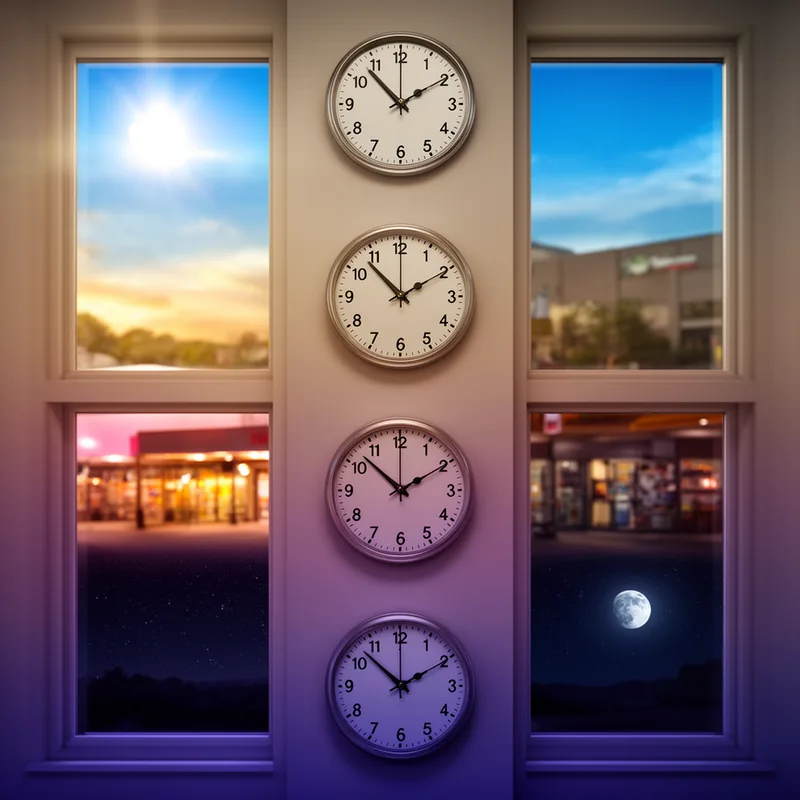
P.M.
- noun
- /piː ɛm/
- Most stores close by 8 P.M. on weekdays.
Examples
-
The meeting is scheduled for 3:00 P.M..
-
Please arrive by 5:30 P.M..
-
Please submit your assignments before 11:59 P.M. tonight to be considered on time.
-
The meeting is scheduled for 3:00 P.M. in the conference room.
-
The meeting is scheduled for 3:00 P.M. in the conference room.
-
Please submit your assignments before 11:59 P.M. tonight to be considered on time.
-
Most stores close by 8 P.M. on weekdays.
Synonyms

Shows time between noon and midnight

After noon and before midnight on a 12-hour clock

The time between noon and midnight used for clock times

The time from noon until midnight used for times after 12:00

The time from noon to midnight
Compounds
Surface Forms
Etymology
P.M. comes from the Latin words post and meridiem, meaning 'after' and 'midday', and you can think of post like in postpone meaning 'after'. So P.M. names the time 'after midday', the period from noon until midnight.

