

Ostara
- proper noun
- /oʊˈstɑːrə/
- Literature
- The traditions of Ostara focus on themes of balance, fertility, and new beginnings.
Examples
-
Is Ostara your favorite spring festival?
-
Many people celebrate Ostara with feasts and rituals.
-
Many modern pagans celebrate Ostara as a festival of renewal and growth.
-
During Ostara, people often decorate eggs and welcome the arrival of spring.
-
The festival of Ostara marks the arrival of spring and celebrates renewal in pagan traditions.
-
Many people celebrate Ostara by decorating eggs and planting flowers to welcome the new season.
-
Ostara honors the goddess associated with spring, symbolizing fertility and rebirth.
Synonyms
 1
2.0
1
2.0

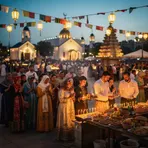
A public event where people celebrate their faith
 1
6.7
1
6.7
A celebration from old religions before Christianity that marks seasonal events with dancing or bonfires
 1
9.9
1
9.9
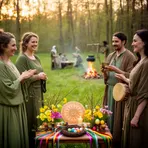
A festival in Wiccan tradition that marks a point in the seasons
 1
7.4
1
7.4
Beliefs and customs from older religions not part of the main world faiths, often with many gods
Surface Forms
Etymology
Ostara names a spring festival and the goddess of that season, and the name comes from the old word Ēostre, linked to 'dawn' and the familiar word Easter. So, Ostara is about new growth, eggs, and the idea of 'renewal' after winter.