
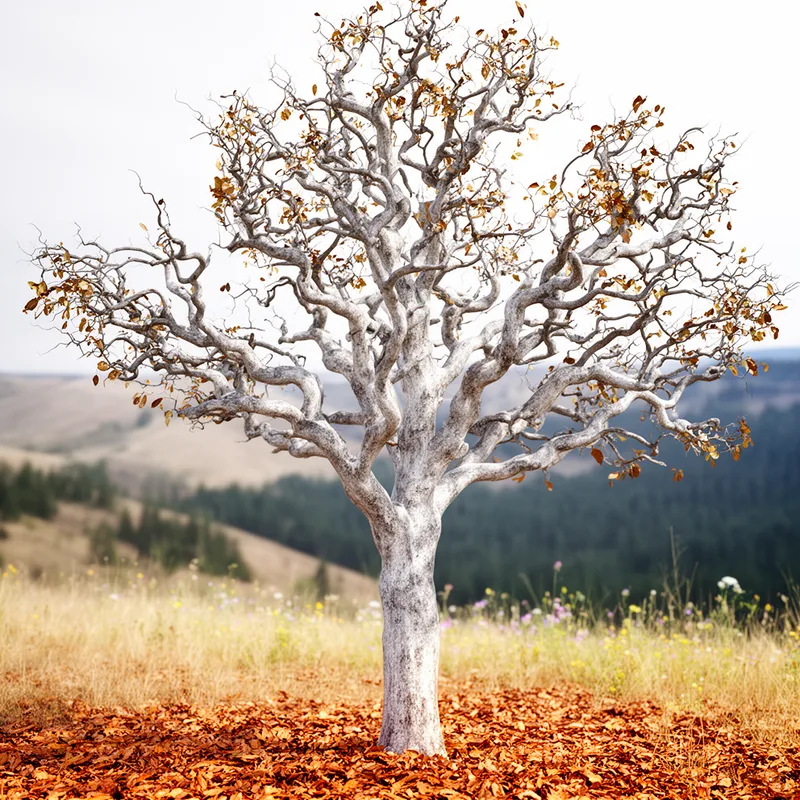
Oregon oak
- noun
- /ˈɔrɪɡən oʊk/
- US
- A mature Oregon oak can live for several centuries, providing habitat for wildlife.
Examples
-
The Oregon oak is a vital part of the native landscape in the Pacific Northwest.
-
We hiked through a forest dominated by Oregon oak and wildflowers.
-
The Oregon oak is known for its unique shape.
-
Many Oregon oaks grow along the coastline.
-
The Oregon oak provides essential shelter for various bird species in the forest.
-
In the spring, the Oregon oak blooms with beautiful flowers that attract pollinators.
-
During our hike, we spotted several Oregon oaks with their distinctive crooked branches.
Synonyms

A small tree in western North America that loses its leaves each year, with crooked branches and pale grey bark

A small oak tree with crooked branches and pale grey bark that grows in western North America

A small tree from western North America that loses its leaves and has crooked branches and pale grey bark
Surface Forms
Morphology
Etymology
Oregon oak may come from early settlers who used the place name Oregon and the word oak because the tree looks like other oaks. That's why Oregon oak now means a small native oak-like tree found in the Pacific Northwest.

