
Newfoundland
 18
3.2
18
3.2

- proper noun
- /ˈnjuːfənˌlænd/
- The day the world came to town: 9/11 in Gander, Newfoundland. Jim Defede. HarperTrade. 0-06-055971-3.
- Newfoundland and Labrador
- coast of Newfoundland
- Newfoundland cod
Loading YouTube…
Watch on YouTubeThey would even try to settle as far a field as Newfoundland.
- They would even try to settle as far a field as Newfoundland.
- I took a flight from here to Toronto and I went into Newfoundland.
- This part of Newfoundland was in fact settled by Irish people, mostly from County Wexford.
- And there is a dark, raw beauty to Newfoundland, and there is a strong independence.
- But the next day their plane disappeared somewhere over Newfoundland and they were never found.
Examples
-
Indeed, the purple pitcher plant is common in the bogs of Newfoundland and has been designated the province's official flower.
Academic text (1992) -
We're putting down in Goose Bay, Newfoundland.
-
But the next day their plane disappeared somewhere over Newfoundland and they were never found.
-
And there is a dark, raw beauty to Newfoundland, and there is a strong independence.
-
I thought I could deliver it on time but we were held up in Newfoundland for 16 hours - fog.
-
An hour ago she was southeast of Newfoundland.
-
This part of Newfoundland was in fact settled by Irish people, mostly from County Wexford.
-
The shortest distance across the Atlantic is 1,900 miles from Newfoundland to Ireland.
Academic text (2004) -
Last year, ASME conducted continuing education programs in Indonesia, Sweden, Newfoundland, Costa Rica, and the West Indies.
Academic text (2001) -
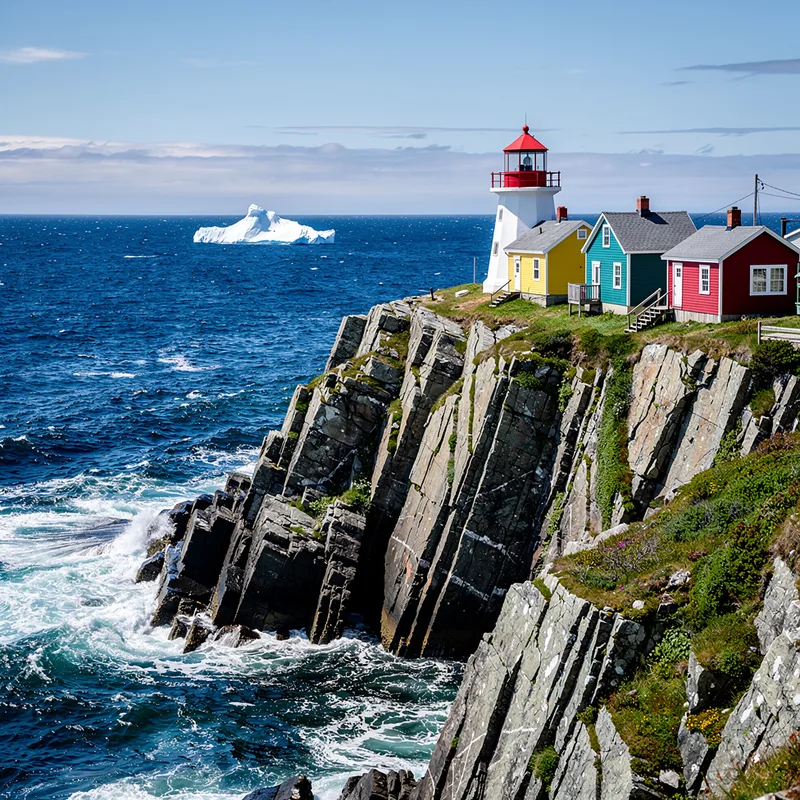
Many tourists visit Newfoundland each year to enjoy its stunning coastal views.
Compounds

A Canadian province that includes the island of Newfoundland and part of mainland Labrador

- Specialized
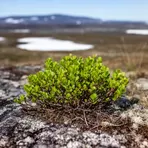
A small birch that grows as a low shrub in cold parts of North America and Greenland
Surface Forms
Morphology
Etymology
Newfoundland comes from the English words new, found and land, which together mean 'newly found land'. European sailors used this name when they discovered the island, and that's why it still refers to the Canadian island today.