
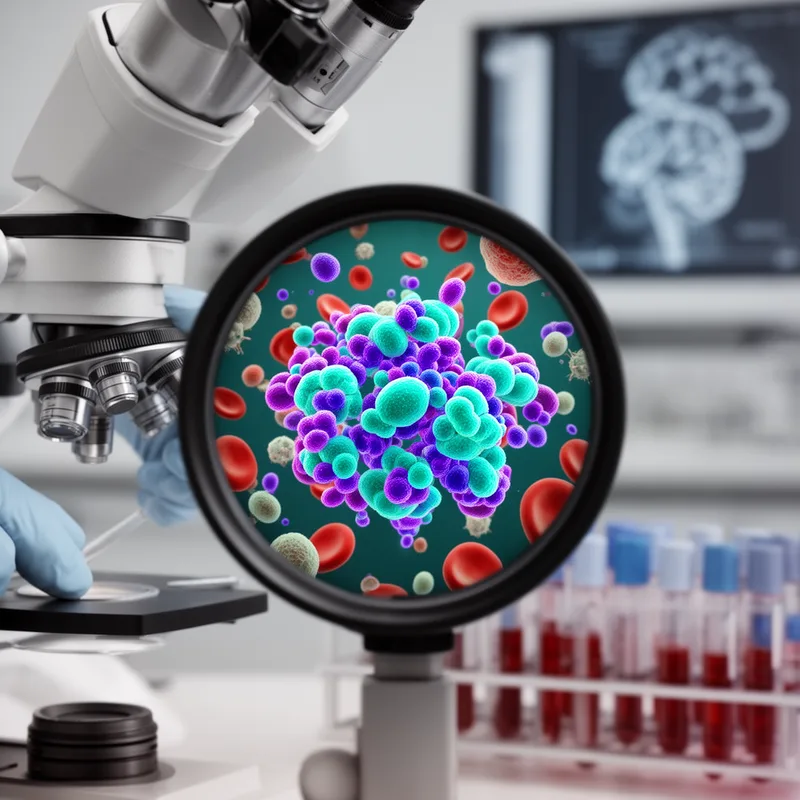
Neisseria


 1
9.8
1
9.8
- proper noun
- /naɪˈsɪəriə/
- Specialized
 :
Neisseria
:
Neisseria
- We suggest that the genus Neisseria and elevated levels of Bacteroides spec. are associated with juvenile ADHD.
- Neisseria meningitidis
- Neisseria meningitidis serogroup
- Neisseria meningitidis outer membrane
Examples
-
At the genus level, Prevotella, Neisseria, and two specific OTUs are found as potential biomarkers for ADHD.
Academic text (2018) -
Although our method did not allow the determination of the particular species within Neisseria and Bacteroides, there are well-known pathogens in these genera that might be involved in ADHD pathogenesis.
Academic text (2018) -
We found Neisseria and Bacteroides species as possible ADHD-associated biomarkers.
Academic text (2018) -
Historically, these epidemics have been caused primarily by Neisseria meningitidis serogroup A (3, 4).
Academic text (2014) -
The gonococcus, Neisseria gonorrhoeae, are thin cells; the clinician inserts papillomaviruses, which are a group of them.
Blog text (9) -
At the genus level, Prevotella and Parabacteroides were detected as markers for the control group, and Neisseria for the ADHD group.
Academic text (2018) -
Comparison of abundances by the Kruskal-Wallis test revealed that, in contrast to the other biomarker, the genus Neisseria did not differ in abundance, but only in frequency between the sample groups.
Academic text (2018) -
During 2012, Burkina Faso reported increases in Neisseria meningitidis serogroup W, raising questions about whether these cases were a natural increase in disease or resulted from serogroup replacement after PsA-TT introduction.
Academic text (2014) -
Researchers studied the DNA of Neisseria species to understand their role in infectious diseases.
-
The vaccine for Neisseria meningitidis is crucial for preventing meningitis outbreaks among teenagers.
Compounds

- Specialized
A harmless bacterium found in children's noses and throats used in vaccine research

- Specialized
A type of bacteria that causes gonorrhea, an infection people get during sex
Surface Forms
Morphology
Neisseria = Neisser (opaque) = Neisser + ia
Taxonomic formation from a proper name plus '-ia' marks a genus and is not semantically transparent to average learners.
Etymology
Neisseria is named after the doctor Neisser and uses the ending -ia, a usual ending for a 'group' of living things, as in bacteria. So Neisseria is the name of a group of bacteria, which scientists call a 'genus', and some species in that group can cause infections in humans.