
Nebo


 1
9.9
- proper noun
- Literature
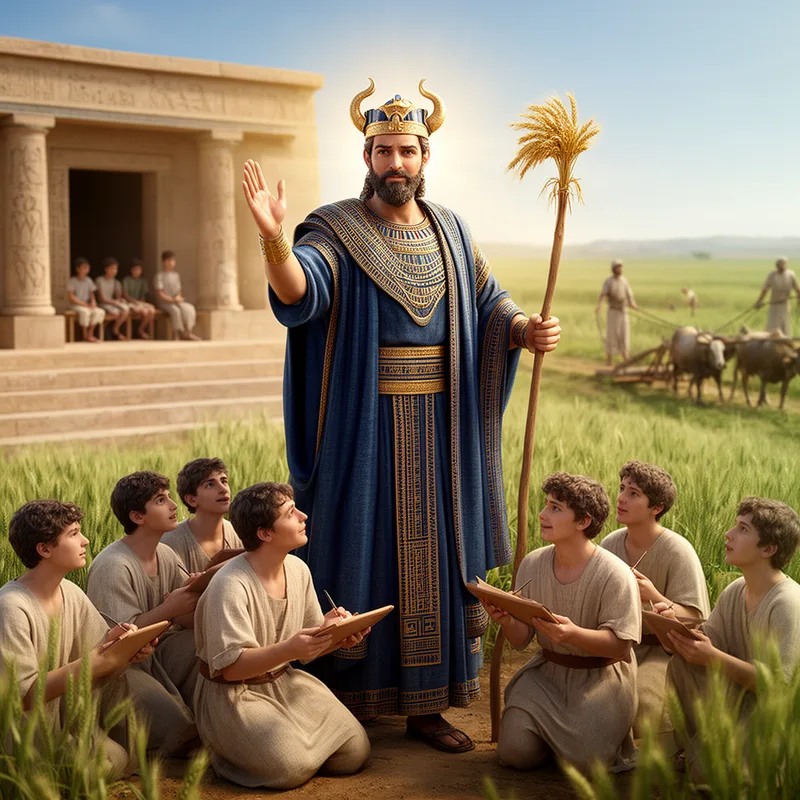
- In ancient Mesopotamia, Nebo was worshipped as a god of wisdom and agriculture, essential for the prosperity of crops.
- Mount Nebo
- Nebo Mountain
Examples
-
The Babylonian god Nebo is often depicted holding a stylus to represent his role as the patron of scribes.
-
The ancient texts mention Nebo as the divine figure responsible for imparting knowledge to scholars.
-
Mount Nebo stood in the distance.
Fiction book (2001) -
Tradition has credited Moses with having prescience as he looked out from Mount Nebo just before his death.
Academic text (1995) -
And he went up from the plains of Moab unto the mountain of Nebo, and the Lord showed him all the land that was beyond the river Jordan.
-
Then, after 40 years of wandering in the wilderness, Moses transferred his authority to Joshua and ascended the heights of Mount Nebo, and there he died.
-
First, to Madaba, to view the mosaic map of the Holy Land, then to nearby Mt. Nebo, which is thought to be the burial site of Moses.
Academic text (2006) -
It is interesting to notice that Haj Ibrahim prays every dawn at Mount Nebo towards Jerusalem and not Mecca, reminding perhaps that Jerusalem is "the first direction of prayer" in Islam and insisting it should have remained so.
Academic text (2004)
Synonyms
 1
9.9
A Babylonian god of wisdom, writing, and farming who looks after writers and scholars
Surface Forms
Etymology
The word Nebo comes from the ancient Babylonian name Nabû, which means 'to announce' or 'prophet'. Because Nabû was the god of writing, wisdom and the protector of scribes, people prayed to Nebo for help with learning and records, so the name is linked to wisdom and writing.