
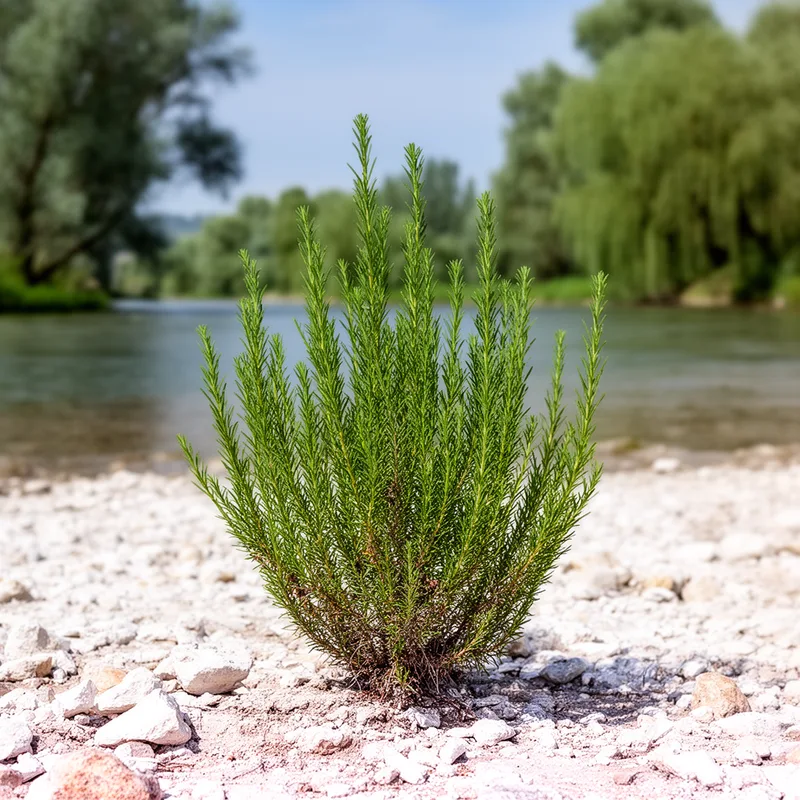
Myricaria
- noun
- Specialized
- Several species of Myricaria thrive along riverbanks in Central Asia.
Examples
-
It is common to find Myricaria growing alongside willows and poplars in its native range.
-
Botanists studied the unique adaptations of Myricaria to alkaline and chalky soils.
-
The Myricaria plant thrives in dry, chalky soils.
-
Many gardeners appreciate Myricaria for its hardiness.
-
Many gardeners appreciate the drought-resistant qualities of Myricaria in their landscapes.
-
In southern Europe, Myricaria often thrives in areas with poor, alkaline soil.
-
The unique features of Myricaria make it adaptable to various environments, including riverbanks.
Synonyms
A small group of bushes that lose leaves and grow well in chalky soil in southern Europe, Siberia, and China
Compounds
- Specialized
A small group of bushes that lose leaves and grow well in chalky soil in southern Europe, Siberia, and China

- Specialized
A small bush with narrow leaves and pink flowers that grows on sandy riverbanks in Europe and Asia
Surface Forms
Etymology
Myricaria comes from Myrica, a name for small shrubs like the bayberry or myrtle, and the Latin ending -aria, which means 'connected with' or 'like'. So Myricaria literally means a plant 'like' Myrica, which helps you remember it is a small shrub often found by rivers and on chalky soil.

