
Montagnais


 1
9.9
- proper noun
- Grounded in differing ontological understandings of material things, missionaries were often confused, dismissive, or uneasy when Wendats and Montagnais talked of animated and living objects.
Examples
-
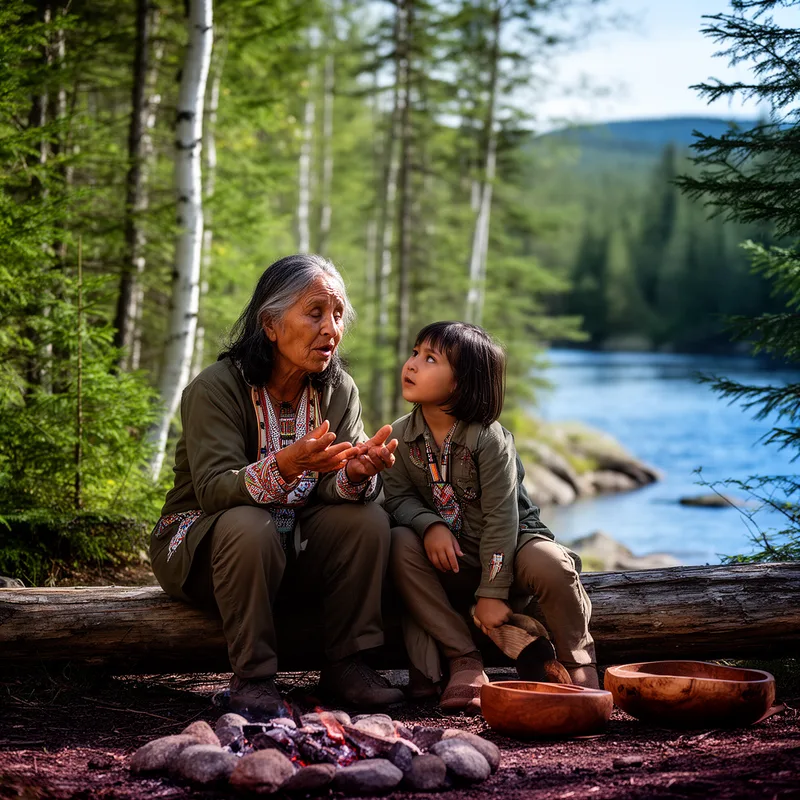
The Montagnais have a rich cultural heritage that is celebrated in their storytelling traditions.
-
The Montagnais language is an essential part of their identity and is taught to younger generations.
-
The accounts of Father Le Jeune refer to both Wendats and Montagnais, Innu-speaking trading partners of the St. Lawrence region.
Academic text (2017) -
As was the case with the religion of the earliest missionized Algonquians—the Montagnais.
Academic text (1996) -
In a 1950 study of an Algonquin tribe closely related to the Chippewa, Eleanor Leacock argued that the Montagnais did not understand the notion of land title at all.
Academic text (1997) -
Rouleau shares his own personal history of growing up half Montagnais and half Naskapi in Labrador, at a time when the peninsula was being carved up by mining companies, native groups, and the new province of Newfoundland.
Blog text (31) -
According to Le Jeune, Montagnais participated in steam rituals to better their health, to communicate with ancestral beings, and to ask for good luck and good fortune (jr, 6:193).
Academic text (2017) -
Many Montagnais people engage in traditional hunting and fishing practices that have been passed down for generations.
Synonyms
 1
9.9
A family of related Native American languages spoken from eastern Canada to the Great Plains
Surface Forms
Etymology
Montagnais comes from the French word montagne meaning 'mountain', so it originally meant 'mountain people' and is used for the Indigenous group of eastern Canada and their language.