
Moniliaceae
- noun
- /məˌnɪliˈeɪsiˌi/
- Archaic
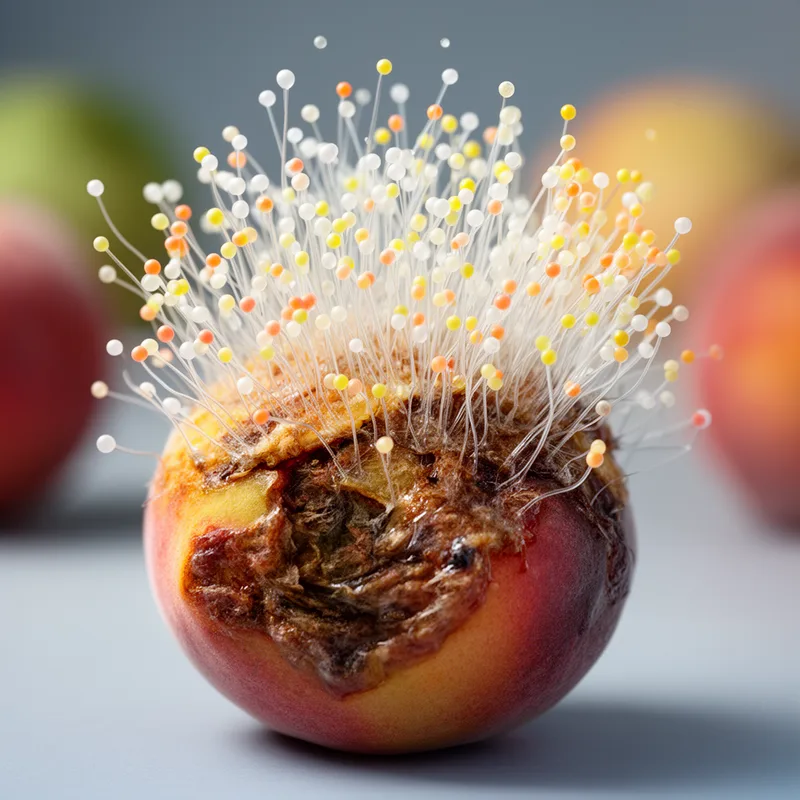
- Members of the Moniliaceae can produce brightly colored spores on decaying fruit.
Examples
-
The Moniliaceae include several species that are common plant pathogens.
-
The Moniliaceae family includes many species of fungi.
-
Identification of Moniliaceae often requires careful microscopic examination.
-
Did you know that Moniliaceae can cause plant diseases?
-
Identification of Moniliaceae often requires careful microscopic examination.
-
Members of the Moniliaceae can produce brightly colored spores on decaying fruit.
-
The Moniliaceae include several species that are common plant pathogens.
Surface Forms
Morphology
Moniliaceae = Monilia (opaque) = Monilia + aceae
Formed from a genus name plus the specialized taxonomic suffix '-aceae' which is a technical marker for 'family' and is not likely to be understood by an average B1 learner.
Etymology
Moniliaceae comes from the Latin word monile meaning 'necklace' because some of these fungi make chains of bead-like spores, and the ending -aceae marks a family. So Moniliaceae is a family name for fungi often named for their bead-like, chain-shaped spores.

