

Mespilus germanica
- noun
- /ˈmɛspɪləs ˌdʒɜːrməˈnɪkə/
- Specialized
- Gardeners value Mespilus germanica for both its attractive blossoms and edible medlars.
Examples
-
The Mespilus germanica tree produces unusual fruit that ripen in late autumn.
-
Historically, Mespilus germanica was cultivated in Europe for its fruit and ornamental qualities.
-
The Mespilus germanica tree produces fruit in late spring.
-
Many gardeners appreciate the Mespilus germanica for its unique fruit.
-
Gardeners appreciate Mespilus germanica for its sweet, edible fruit that resembles crab apples.
-
The Mespilus germanica tree can be found in many old European gardens due to its delicious medlars.
-
During late autumn, ripe Mespilus germanica fruit becomes a tasty treat for those who enjoy unique flavors.
Synonyms

A small tree that makes brown fruit like small apples you can eat
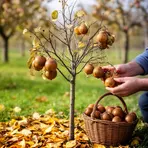
A small tree that loses its leaves and produces edible fruit
Surface Forms
Morphology
Mespilus + germanica
This is a Latin binomial (genus + specific epithet) where the overall meaning is 'the Mespilus species called germanica' — structurally compositional if a learner knows the genus and that Latin epithets mark a species or origin. However, understanding requires domain knowledge of scientific naming and some familiarity with Latin adjectival forms (e.g., 'germanica' = 'of/from Germany'), so it is not immediately transparent to a typical B1 learner without that background.
Etymology
Mespilus germanica is the scientific name for the medlar tree, often called 'medlar'. The first word, Mespilus, may come from an old Greek word 'mespilē' for the fruit, and germanica simply means 'from Germany' in Latin because the tree was common in European gardens, so the name points to a small tree with fruit that ripen late and are eaten.

