
Mercedarian


 1
9.9
- adjective
- /mɜrˈsɛdəˌriən/
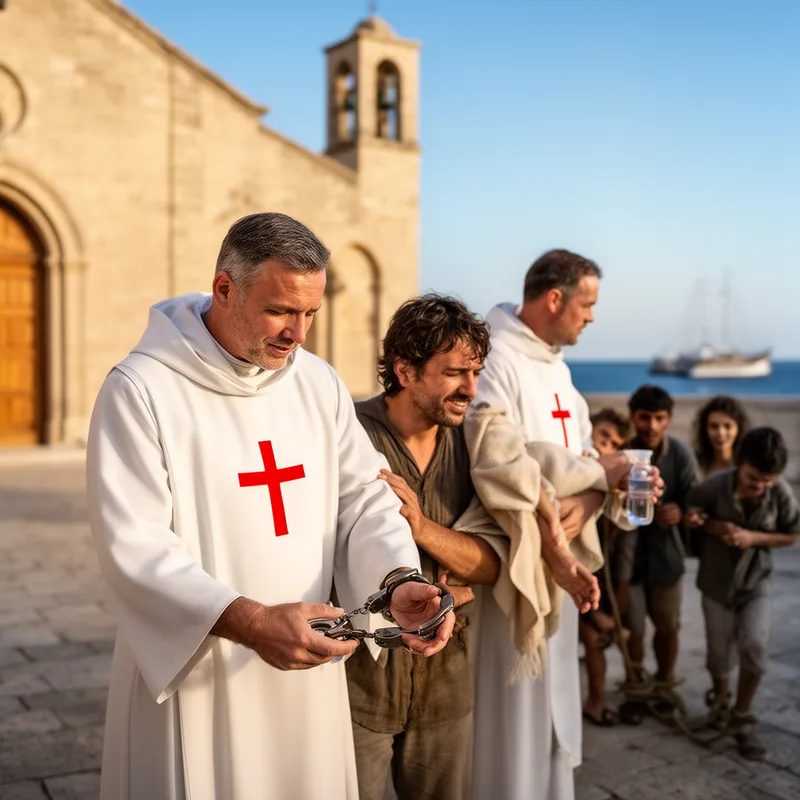
- On August 10, 1218, the Mercedarian Order was legally constituted by King James I of Aragon in Barcelona, Spain, and was approved by Pope Gregory IX on January 17, 1235.
Examples
-
Probably the diocese and the Mercedarian Order are interested in this and anxious to avoid repetitions of a similar situation.
Academic text (1998) -
That the Mercedarian Fathers had done good work in the Diocese of Cleveland, that he was well satisfied with their work, and had no cause to be dissatisfied with their administration of the parish.
Academic text (1998) -
The Mercedarian tradition emphasizes the rescue of those imprisoned for their faith.
-
During the annual conference, the Mercedarian community shared their efforts in humanitarian work.
-
The Mercedarian values of compassion and service were evident in their outreach programs.
Surface Forms
Etymology
Mercedarian comes from the Spanish word Merced, which means 'mercy' or 'ransom', and from the old Latin word merces meaning 'reward'. The order was started to free captives, so Mercedarian as an adjective means 'relating to that order, its members, or their work'.