
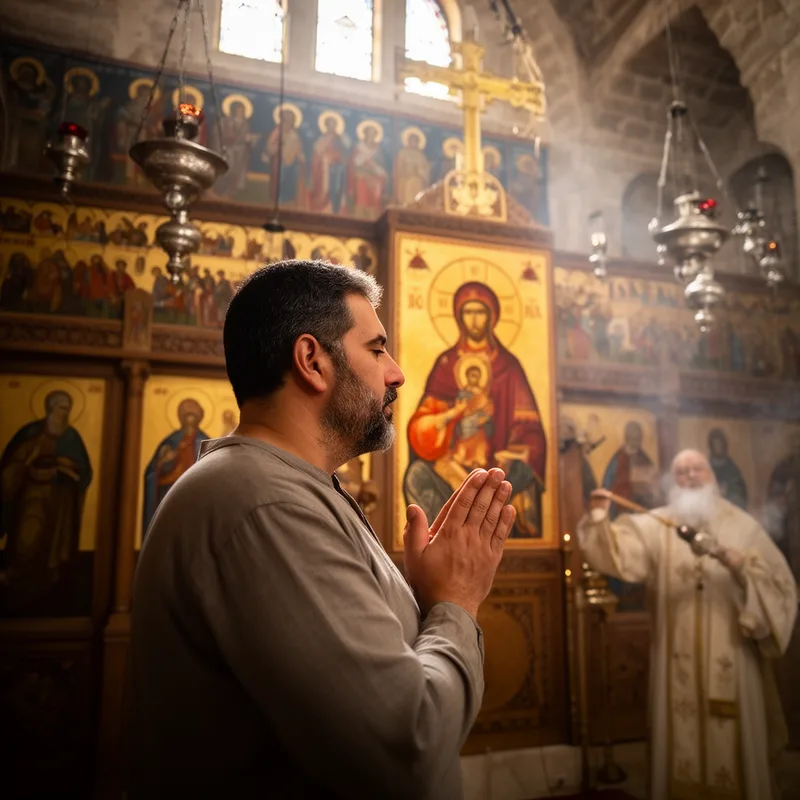
Melkite


 1
9.9
- noun
- /ˈmɛlkaɪt/
- A bottom-up process of identity construction is expressed by Rev. Elias Chacour, the Archbishop Emeritus of the Melkite Catholic Church.
- Melkite Catholic Church
Examples
-
"We have been leading a life that has been the envy of many," said Isadore Battikha, who until 2010 served as the Melkite Greek Catholic archbishop of Homs, Hama, and Yabroud.
Blog text (27) -
Most Catholics of Arabic ethnic background had historical links to Eastern-rite churches, most notably the Maronite and the Melkite.
Academic text (1993) -
This publication did much to solidify Melkite identity in America and to stimulate further development.
Academic text (1993) -
The Vatican also works with and through Maronite and Melkite Catholics in Lebanon.
Academic text (1997) -
The last voice comes from Rev. Emile Shoufani, a Melkite priest in Nazareth.
Academic text (2018) -
Several years afterwards, in 1976, the exarchate was granted full diocesan (eparchial) status by Rome, marking a significant milestone in Melkite history in this country.
Academic text (1993) -
Many Melkite communities celebrate unique traditions that reflect their rich cultural heritage.
-
The Melkite Church emphasizes the importance of preserving ancient liturgical practices.
-
In areas of the Middle East, Melkite believers often participate in joint religious events with other Christian denominations.
Synonyms
 1
9.9
A Christian who follows Byzantine church traditions, mainly in the Middle East
Surface Forms
Etymology
The word Melkite comes from the old Semitic word melek, also written malkā, meaning 'king'. It was used for Christians who supported the Byzantine emperor, so a Melkite is like 'the king's people', which explains the name for that church group.