
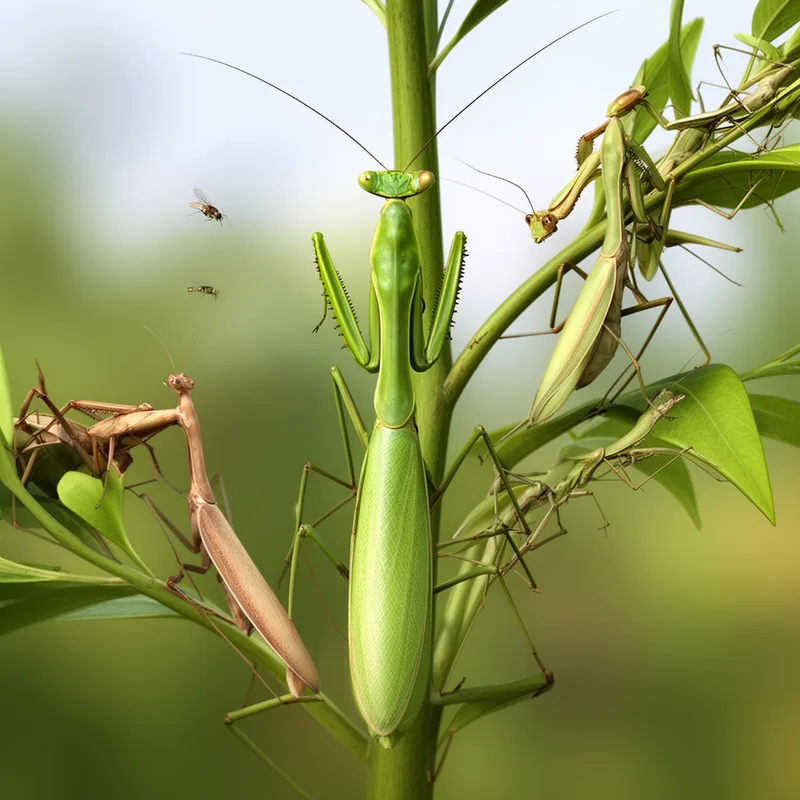
Manteidae
- noun
- /mænˈteɪdiː/
- Specialized
- The Manteidae include many well-known species of praying mantises found worldwide.
Examples
-
The Manteidae family exhibits remarkable hunting skills, using their forelegs to capture prey.
-
Did you know that Manteidae are often called mantises?
-
Biologists often study the mating behaviors unique to insects in the Manteidae family.
-
Fossils reveal that the Manteidae have existed for millions of years, adapting to various environments.
-
The Manteidae family includes many fascinating species.
-
In gardens around the world, many gardeners enjoy watching the unique behavior of the Manteidae as they stalk insects.
-
Scientists classify the Manteidae based on their distinct morphological features, including elongated bodies.
Synonyms
A family of insects like praying mantises with long bodies and front legs that hold other insects

A group of insects like praying mantises that use long front legs to catch prey
Compounds
- Specialized
A group of insects like praying mantises that use long front legs to catch prey
Surface Forms
Etymology
Manteidae comes from mantis, which comes from a Greek word meaning 'seer' or 'prophet' because people thought the mantis looked like someone praying or watching carefully. The ending -idae is the scientific ending that means 'family', so Manteidae is the 'mantis family' of insects.

