
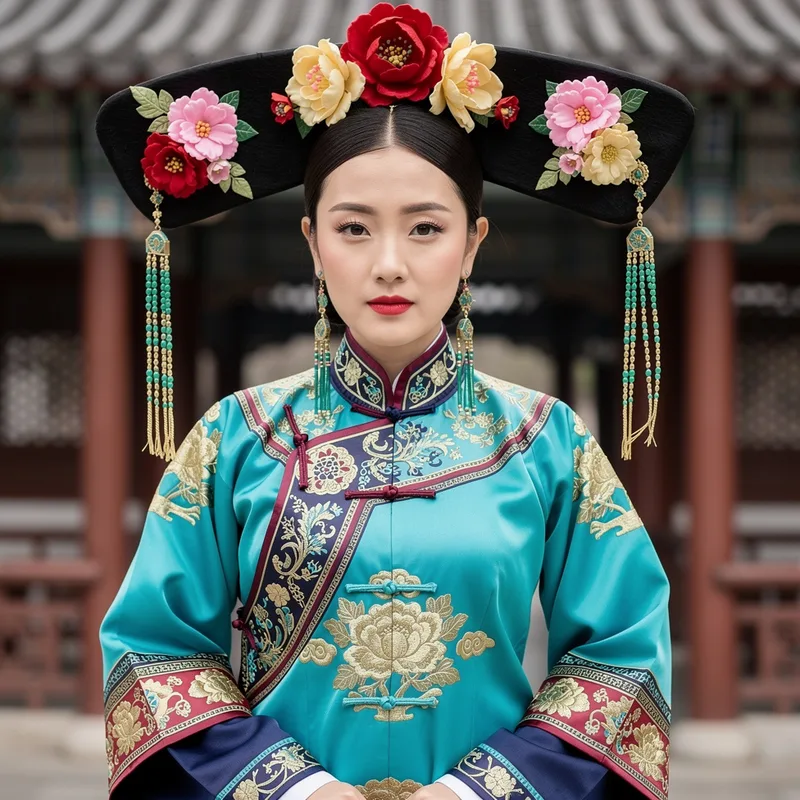
Manchurian
 8
7.5

- adjective
- /mænˈtʃʊəriən/
- Before the outbreak of the Great War in 1914, he served as an administrator for the Japanese-controlled Manchurian railroad system.
Loading YouTube…
Watch on YouTubeSo a lot of them, not a lot, A few of the targets were true Manchurian candidates.
- So a lot of them, not a lot, A few of the targets were true Manchurian candidates.
Examples
-
So, Frank is doing this movie, Manchurian Candidate.
-
Did anyone see the movie 'The Manchurian Candidate'?
Blog text (4) -
See the movie, or better, read the new book "The Manchurian President."
Blog text (7) -
In one fur shop, I saw a fine Manchurian tiger skin with long hair for $200.
Academic text (1995) -
I'm the hereditary ruler of the Manchurian people.
-
Patrol was taken by a Russian airborne unit and flown by helicopter across the Manchurian border to a place called Tonghua.
-
A sprawling city of nearly seven million people in China's northeastern Manchurian region, Shenyang was once the capital of the Manchu dynasty, which conquered China in the seventeenth century.
Academic text (2009) -
The cultural festival celebrated traditional Manchurian music and dance performances.
-
Many Manchurian traditions focus on the importance of family and community values.
-
Her research project explored the language and history of the Manchurian people.
Surface Forms
Morphology
Etymology
The word Manchurian comes from Manchuria, a region in northeast Asia once home to the Manchu people. So Manchurian means 'from Manchuria' or 'relating to its people or culture'.