
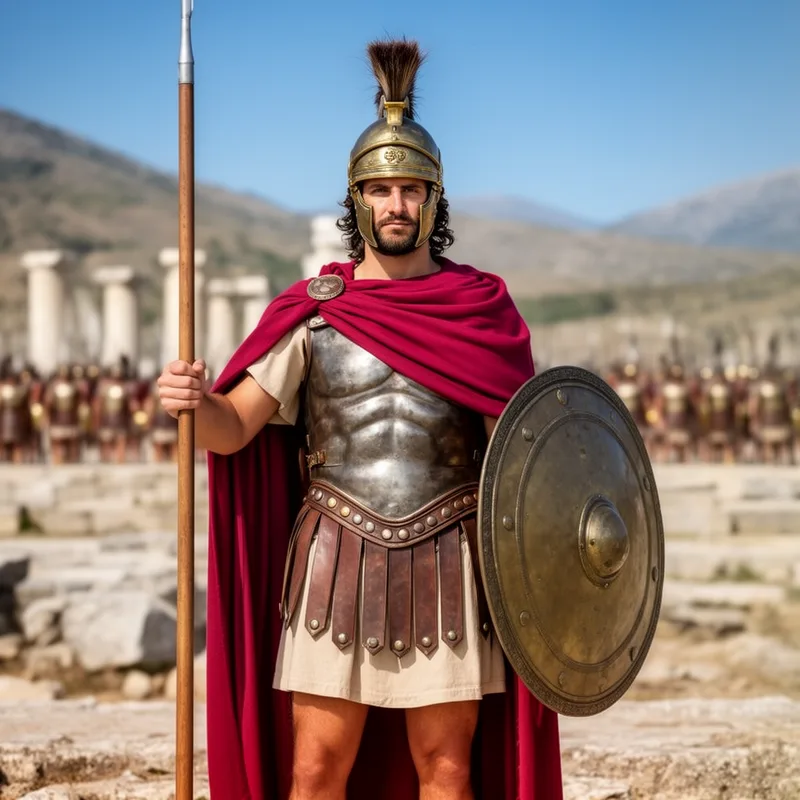
Macedonian
- noun
- /ˌmæsɪˈdoʊniən/
- We hear about various Macedonian monarchs of some importance prior to Philip.
Loading YouTube…
Watch on YouTubeBut Thebes was no match for the Macedonian.
- But Thebes was no match for the Macedonian.
Examples
-
The lowlands were perhaps the easiest to tame, and it is here that the seed for the Macedonian Kingdom would be planted.
-
Then, with no apparent warning, the entire Macedonian army broke their silence by raising their distinctive war cry and clashing their weapons against their Shields.
-
This war broke any viable attempts at Macedonian Revival, but it would not stop them trying.
-
We know that Xenoph, not that Xenophon, Zeno, was asked to go to the court of the Macedonian king.
-
The museum had several artifacts from the ancient Macedonian culture on display.
-
She met a Macedonian who shared fascinating stories about his homeland.
-
Many Macedonian people are proud of their rich history and traditions.
Compounds

Surface Forms
Morphology
Etymology
Macedonian comes from the ancient kingdom name Macedon, which comes from the Greek word Makedon meaning 'tall' or 'high people'. So a Macedonian originally meant a person from that northern, highland area of ancient Greece.

