
M2


 1
9.9
- noun
- Specialized
- M2 blocker
- resistance to M2
Examples
-
In the current data, labiality also affected M2 and L3, but the effect for M2 was of very small magnitude.
Academic text (2013) -
Applying the Bank of England analysis to the U.S. monetary system suggests that the additional $3.7 trillion of central bank money created between September 2008 and September 2014 should have been mirrored in a corresponding $3.7 trillion increase in the deposit component of M2.
Academic text (2017) -
The oseltamivir-resistant H275Y-mutant virus detected in this study was sensitive to M2 blockers; however, the ease with which viruses can acquire resistance to this class of drugs emphasizes the need for alternative therapeutic options.
Academic text (2013) -
These M2 and L4 values are consistent with the speaker producing whistly /s/ in rounded contexts (cf. Shadle & Scully, 1995).
Academic text (2013) -
Most of these M2-resistant viruses belong to clade 1.1 (32, 33), but they have also been found in other clades, including clade 2.3.4 (34).
Academic text (2013) -
Of 25 clade 1.1 viruses, all possessed a marker of resistance to M2 blockers amantadine and rimantadine; 24 were inhibited by neuraminidase inhibitors.
Academic text (2013) -
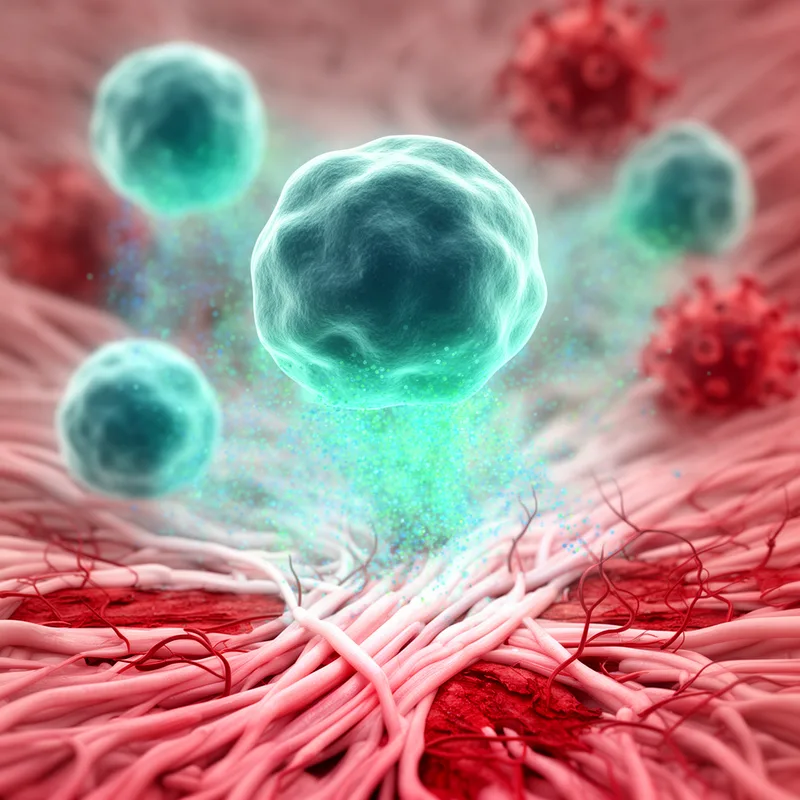
The M2 macrophage activation phenotype plays a crucial role in tissue repair after injury.
-
Recent studies indicate that M2 macrophages are essential for effective wound healing in various tissues.
-
In immunology, the M2 phenotype is associated with anti-inflammatory actions and supports tissue regeneration.
Surface Forms
Morphology
M2 = M + 2
A labelling convention for a macrophage phenotype (M2); the letter+digit code is technical and not transparently compositional for typical learners.
Etymology
M2 in biology is a short name: M stands for 'macrophage', a kind of immune cell, and the '2' marks the second type. M2 cells are the 'repair' kind that help heal tissue and reduce inflammation, which is why scientists use the name for the healing, anti-inflammatory form.