
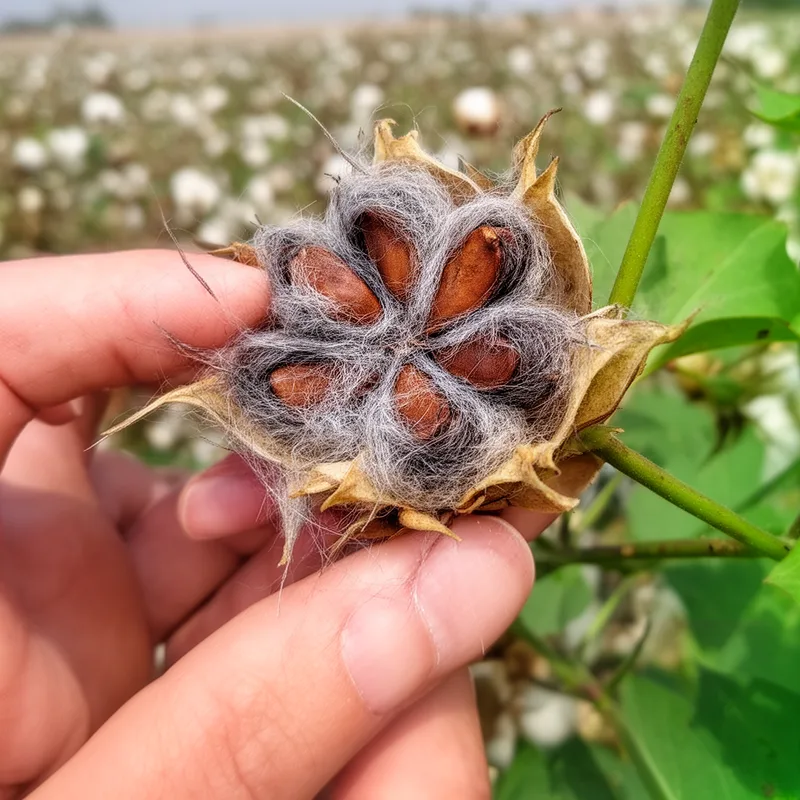
Levant cotton
- noun
- Specialized
- The short greyish lint of Levant cotton distinguishes it from other cotton species.
Examples
-
Farmers in the Mediterranean region used to grow Levant cotton before the introduction of new varieties.
-
Levant cotton is noted for its short-staple fibers that are difficult to remove from the seeds.
-
Farmers in Turkey cultivate Levant cotton for its durable fibers.
-
The Levant cotton plant thrives in warm climates.
-
Levant cotton produces greyish lint that is often challenging to separate from its seeds.
-
Many textile manufacturers appreciate Levant cotton for its resilience and unique fiber qualities.
-
In historical agriculture, Levant cotton was widely cultivated for its strong fibers and suitability to various climates.
Synonyms
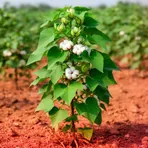
A cotton plant from Asia and Africa with heart-shaped leaves and short fibers
Surface Forms
Morphology
This is a straightforward place + noun compound: knowing 'Levant' (a region) and 'cotton' (the crop) lets a learner infer it is a type or variety of cotton associated with the Levant. The compositional origin/type meaning follows common, cross-linguistic patterns (place-name + product), so a B1 learner who knows both words can readily understand the MWE.
Etymology
Levant cotton names the type of cotton that came from the Levant, the eastern Mediterranean lands often called 'where the sun rises'. Farmers and traders used this name for an old-world plant with short, grey lint that is hard to remove from the seeds, so Levant cotton now means that short-staple cotton which is difficult to clean.

