
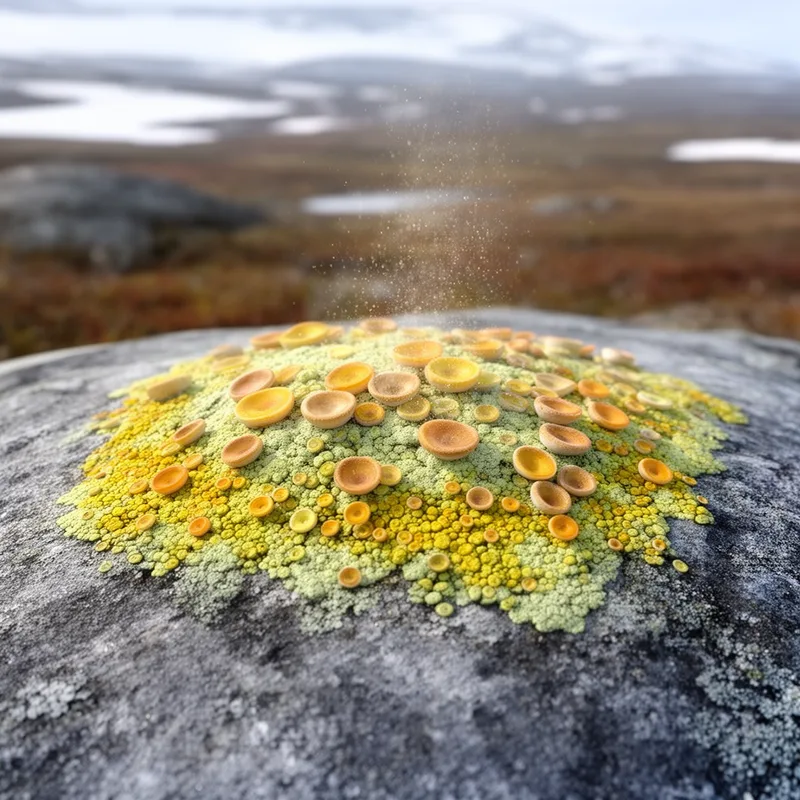
Lecanoraceae
- noun
- /ˌlɛkəˈnɔːreɪsiː/
- Specialized
- The Lecanoraceae family includes many of the common crustose lichens found on rocks and trees.
Examples
-
Researchers discovered a new species belonging to the Lecanoraceae in the Arctic tundra.
-
The Lecanoraceae family includes many species of lichens.
-
Members of the Lecanoraceae are known for their ecological importance in nutrient cycling.
-
Did you know that Lecanoraceae are important for ecosystem health?
-
Members of the Lecanoraceae family play a crucial role in nutrient cycling within their environments.
-
Researchers identified a new species of lichen from the Lecanoraceae family while exploring the Arctic tundra.
-
The Lecanoraceae family is well-known for its diverse range of crustose lichens that often cover rocks and tree bark.
Synonyms
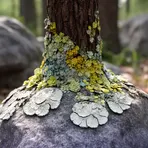
A group of lichens that often grow on rocks and tree bark
Compounds
Surface Forms
Morphology
Lecanoraceae = Lecanora (opaque) = Lecanora + aceae
The form is regular (genus name + taxonomic suffix '-aceae'), but the meaning is highly technical and not inferable by an average B1 learner without knowledge of biological naming conventions.
Etymology
The word Lecanoraceae comes from the name Lecanora, which comes from the Greek word lekanē meaning 'dish' or 'bowl' because these lichens have round, dish-like spots where they make spores. The ending -aceae marks a family group in plant and fungus names, so Lecanoraceae is the 'dish' family of lichens.

