
Lauraceae
- noun
- /ˈlɔːrəˌsiː/
- Specialized
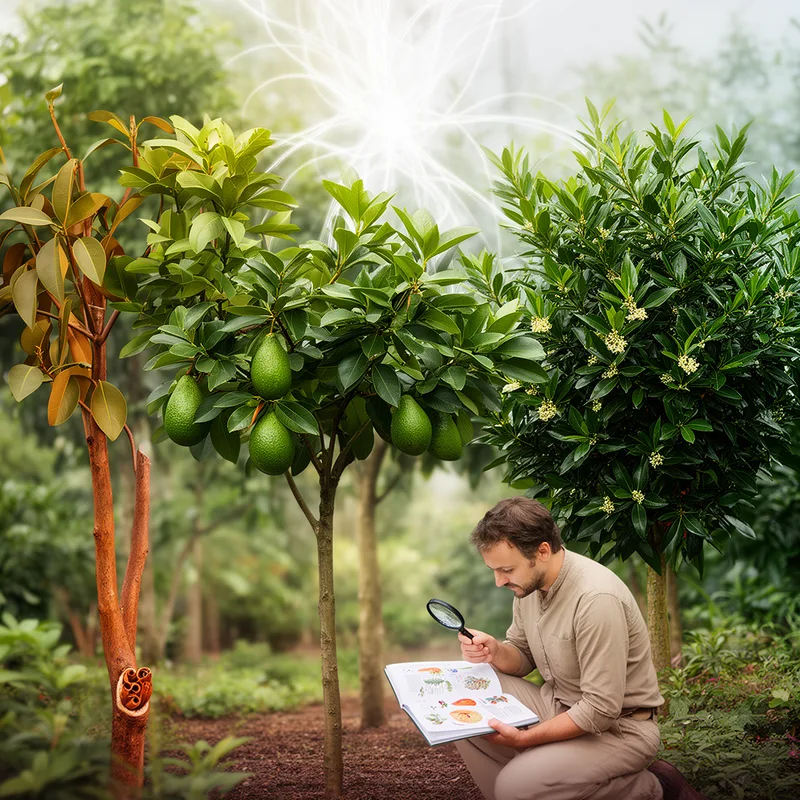
- The Lauraceae family includes many well-known plants, such as the avocado and cinnamon trees.
Examples
-
This white crystalline powder, acquired from the latex of the Cinnamomum camphora tree of the Lauraceae family, is a very cheap, user-friendly, volatile, and non-toxic material for pyrolysis.
Academic text (2018) -
Zone IV (915-1,525 meters) is fairly wet but more temperate subtropical forest, the dominant vegetation including mountain black plum, various Melastomaceae, and Lauraceae.
Academic text (1993) -
Many species from the Lauraceae family, like bay leaves, are used in culinary dishes around the world.
-
Botanists classify plants such as the bay tree as part of the Lauraceae family.
Synonyms

A family of flowering plants that includes trees like laurel, avocado, and cinnamon

A group of mostly tropical trees and shrubs like laurels, cinnamon, and avocado trees
Compounds
- Specialized
A group of mostly tropical trees and shrubs like laurels, cinnamon, and avocado trees
Surface Forms
Morphology
Etymology
Lauraceae comes from the Latin laurus meaning 'laurel' and the ending -aceae meaning 'family' used in plant names. So Lauraceae is the 'laurel family', which fits because it includes laurel-like trees and shrubs such as the bay tree, cinnamon and avocado.

