

Laminariaceae
- noun
- /ˌlæməˈnɛriˌeɪsiː/
- Specialized
- The Laminariaceae family includes many species of kelp.
Examples
-
The Laminariaceae family contains several species of kelp harvested for human consumption.
-
Researchers are studying the ecological impact of Laminariaceae in northern marine habitats.
-
Many products use extracts from Laminariaceae due to their rich content of useful compounds.
-
Many chefs use Laminariaceae in gourmet dishes.
-
Many products use extracts from Laminariaceae due to their rich content of useful compounds.
-
The Laminariaceae family contains several species of kelp harvested for human consumption.
-
Researchers are studying the ecological impact of Laminariaceae in northern marine habitats.
Synonyms

 19
4.9
19
4.9

Large brown seaweed with long strong leaves that forms underwater forests near the coast
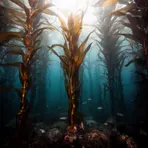
A group of brown seaweeds that live in cold seas and form kelp forests
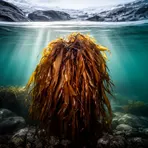
A large brown seaweed that grows in cold water near the coast
Surface Forms
Morphology
Laminariaceae = Laminaria (opaque) = Laminaria + aceae
Formed by adding the specialized botanical family suffix '-aceae' to the genus name 'Laminaria'; the taxonomic suffix is not familiar to general learners, so the meaning is not derivable for average users.
Etymology
Laminariaceae comes from the Latin lamina, meaning 'thin plate' or 'layer', plus the family ending -aceae that marks a plant or algae family. A helpful way to remember it is to think of laminate, which is about thin layers, because kelp in this family have wide, flat 'blades' or sheets, so the name points to their layer-like leaves.