

Lagopus


 1
9.9
1
9.9
- noun
- /ləˈɡoʊpəs/
- Specialized
Examples
-
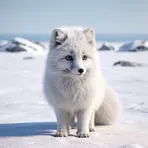
PHOTO (COLOR): Female arctic fox (Alopex lagopus) in her summer coat uses sight and smell to locate the eggs in the nest of Lesser Canada.
Academic text (2005) -
Artificial insemination (AI) technology is important to the economic benefits of blue fox vixens (Alopex lagopus).
Academic text (2015) -
The Arctic fox (Alopex lagopus) is a young species, the oldest known fossils dating back only 250,000 years.
Academic text (1998) -
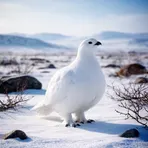
In the Arctic tundra, the Lagopus can often be seen camouflaging its feathers against the snow.
-
Birdwatchers flock to the region hoping to catch a glimpse of the elusive Lagopus during the winter months.
-
Researchers have documented various adaptations in Lagopus that help them survive in harsh, icy environments.
Synonyms
 2
9.9
2
9.9
A large bird that lives in cold northern places and has white feathers in winter

A group of birds like ptarmigans that live in snowy arctic areas
Compounds

- Archaic
A small fox with very thick fur that lives in the far north and turns white in winter


- Specialized
A tropical tree with very light, strong wood used for making rafts and models
Surface Forms
Etymology
Lagopus comes from the Greek parts lagos ('hare') and pous ('foot'), so it means 'hare-foot'. This is a helpful image for the birds called ptarmigans, because their thick, feathered feet look like a hare's fur and help them walk on snow in cold regions.