
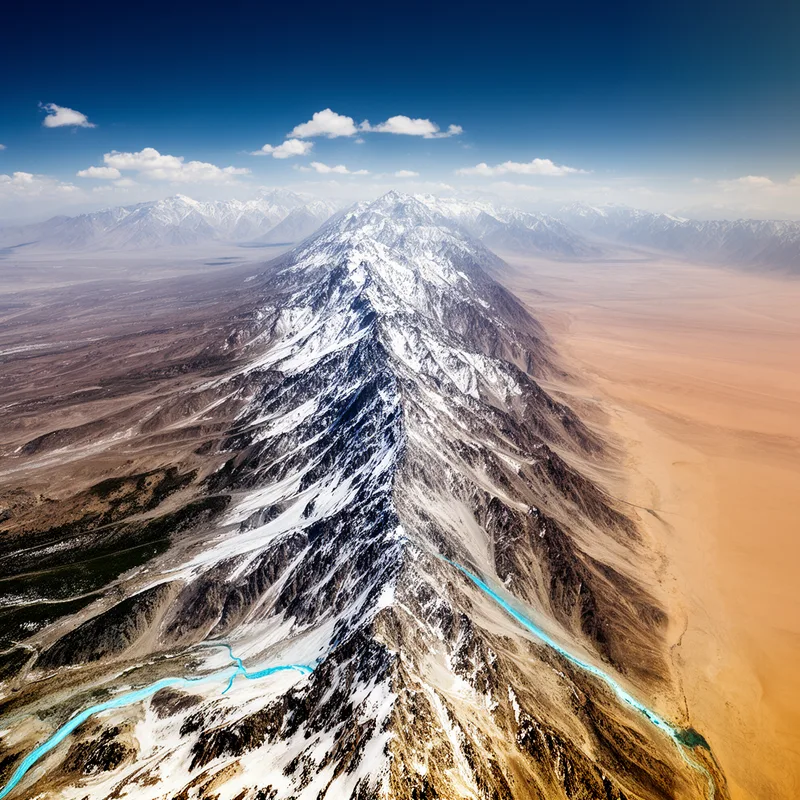
Kuenlun Mountains
- proper noun
 :
Montañas Kuenlun
:
Montañas Kuenlun
- The Kuenlun Mountains form a natural barrier between the Tibetan Plateau and the Tarim Basin.
Examples
-
Many rivers in western China originate in the Kuenlun Mountains.
-
Explorers have long been fascinated by the remote beauty of the Kuenlun Mountains.
-
The Kuenlun Mountains are known for their stunning landscapes.
-
Have you ever visited the Kuenlun Mountains?
-
Many rivers in western China originate in the Kuenlun Mountains.
-
The Kuenlun Mountains form a natural barrier between the Tibetan Plateau and the Tarim Basin.
-
Explorers have long been fascinated by the remote beauty of the Kuenlun Mountains.
Synonyms


 1
9.4
1
9.4
A mountain range in western China that stretches about 1,600 kilometers
A long mountain range in western China that stretches about 1,000 miles

A mountain range in western China that runs about 1,000 miles east from the Indian border
A mountain range in western China running east about 1,000 miles from the Indian border
Surface Forms
Morphology
The phrase is fully compositional: a place-name 'Kuenlun' combined with the common noun 'mountains' straightforwardly denotes the mountain range called Kuenlun. This proper-name + geographic-term pattern is cross-linguistically common and follows standard English naming, so a B1 learner who knows both constituents will understand the meaning.
Etymology
Kuenlun Mountains may come from old Chinese stories that describe a sacred mountain as the 'home of the gods' and a kind of 'paradise'. That's why people used the name for the long, high mountain range in western China today.