
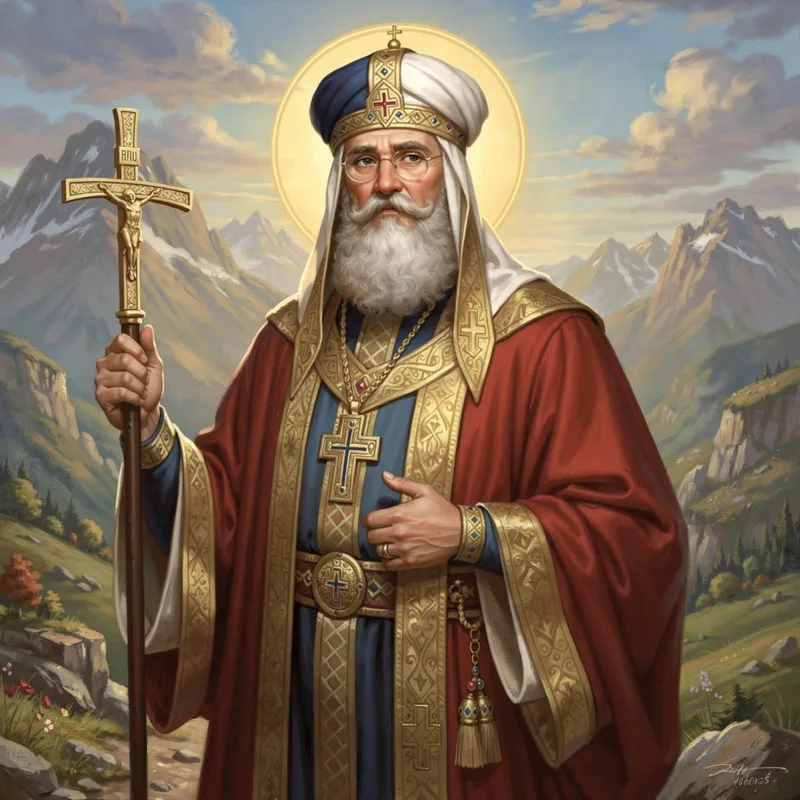
Khomeini
 21
7.8

- proper noun
- /koʊˈmeɪni/
- Students often study the speeches of Ayatollah Khomeini to understand his political philosophy.
- Ayatollah Khomeini
- Imam Khomeini
- Khomeini's revolution
Loading YouTube…
Watch on YouTubeThey are the people who basically went against the suppression of the Pallavi regime and Khomeini became a leader, a symbol of that.
- They are the people who basically went against the suppression of the Pallavi regime and Khomeini became a leader, a symbol of that.
- But going, you know, saying that going back, they going back, they, they Atola Khomeini then made a deal with the hijackers.
- That's a very Ayatollah Khomeini sort of argument, you know, very refreshing, simple clarity to it.
Examples
-
And the Ayatollah Khomeini became the spiritual authority for the new country, became much more Islamic.
-
Ayatollah Khomeini had come to power two years before as the leader of the Iranian revolution.
-
Washington hoped that a new era would follow Khomeini's death in June 1989.
Academic text (2001) -
The revolution led by Ayatollah Khomeini in Iran was facilitated by the audio cassette.
Academic text (1995) -
The Islamic Revolution in Iran (1978-1979), led by the Ayatollah Khomeini, was radical and intolerant of the West.
Academic text (2003) -
Ayatollah Khomeini is remembered as the architect of the Iranian Revolution in 1979.
-
After Ayatollah Khomeini overthrew the monarchy, he became the Supreme Leader of Iran.
Synonyms
 10
8.0
An Iranian religious leader who led the 1979 revolution and became Supreme Leader of Iran
 1
8.8
Iranian religious and political leader who led the 1979 revolution and became Iran's supreme leader
 1
9.0
An Iranian religious leader who led the 1979 revolution and became the country's highest leader

 1
7.9
An Iranian religious and political leader who founded the Islamic Republic after the 1979 revolution
Surface Forms
Etymology
Khomeini comes from Persian and means 'from Khomeyn', a town in Iran, with the ending -i showing origin or belonging. So Khomeini is a place-based family name, like calling someone a 'Londoner' or 'Parisian', which helps explain why the name points to a person's background.