
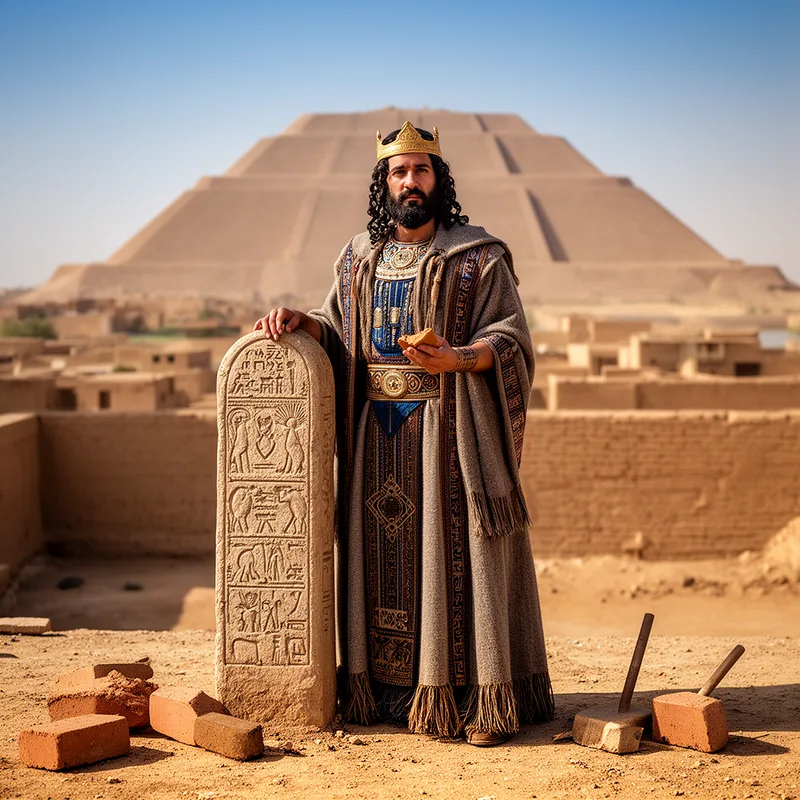
Kassite
- noun
- /ˈkæs.aɪt/
- The Kassites were known for their advancements in pottery and metallurgy during their rule in Babylonia.
Examples
-
We know that some royal Kassite goods actually reached Assyria from the discovery at Assur and Nineveh of objects inscribed with the names of fourteenth- and thirteenth-century Kassite kings.
Academic text (1991) -
Having demonstrated that the historical situation supports the notion that the glass beakers from Hasanlu could be Kassite products and still display features in common with Assyrian, Hurrian, and Iranian material, it remains to be considered when they reached Hasanlu and how long they were stored at the site.
Academic text (1991) -
Archaeologists uncovered a series of ancient artifacts that suggested the influence of Kassite culture in Mesopotamia.
-
The Kassite dynasty played a crucial role in the history of Babylonia, ruling for several centuries.
Synonyms

A person from an ancient people who ruled Babylon from about 1600 to 1200 BC
Compounds
- Specialized
An extinct language once spoken in ancient Mesopotamia, known from a few names and words on clay tablets
Surface Forms
Morphology
Kassite = Kass + ite
The word appears to use the productive suffix -ite, but the base ethnonym is historically obscure and not recoverable from modern English.
Etymology
Kassite comes from the name of an ancient people who ruled Babylonia long ago, so it simply means a member of that 'people'.

