
Kalenjin


 1
9.9
- adjective
- While in this case the beneficiary is a Kalenjin, government largesse and opportunities for (often illicit) self-enrichment are extended to military officers regardless of ethnic origin.
Examples
-
These clashes erupted at or about the time of political rallies presided over and addressed predominantly by Kalenjin political leaders.
Academic text (1992) -
Whereas the Kenyatta regime had promoted Kikuyu political and economic hegemony, in the 1980s, Moi dismantled Kikuyu privilege and replaced it with a Kalenjin cohort.
Academic text (1998) -
He said he was for the welfare of the "Kalenjin tribes as a whole."
Academic text (1998) -
There was evidence that the attackers had motorized transport, training areas, and sanctuaries on properties of Vice President Saitoti and certain Kalenjin members of parliament.
Academic text (1992) -
A Kalenjin family heard and believed talk of "books"—surely mythical—listing the names of Kalenjins targeted for attack in Nairobi housing estates.
Academic text (1992) -
Even regime-sanctioned ethnic cleansing, termed ethnic clashes in the press, in the form of Kalenjin attacks on non-Kalenjin in and around the edges of the Rift Valley, were not sufficient to unify the opposition.
Academic text (1994) -
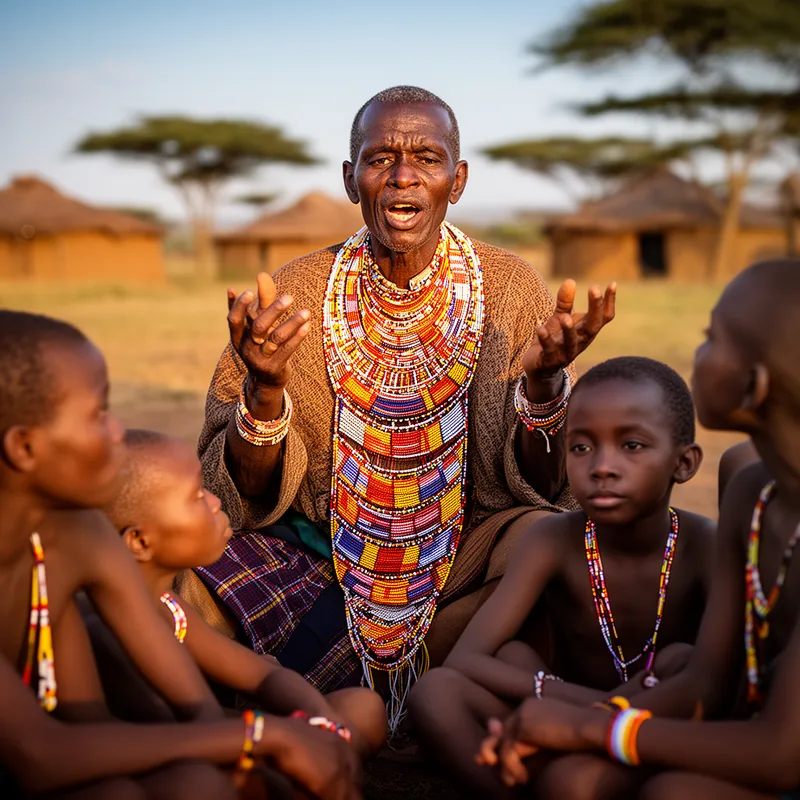
The Kalenjin culture is rich in traditions, including unique music and dance forms.
-
Many athletes attribute their success to the training methods unique to the Kalenjin people.
-
The Kalenjin language is spoken by millions in Kenya, playing a vital role in their identity.
Surface Forms
Etymology
Kalenjin comes from the name this community uses for itself in Kenya, and it was originally the group's own word for their people and way of life. So, used as an adjective, Kalenjin means something that belongs to that people, their language, or their culture.