

John Wiclif
- proper noun
- The work of John Wiclif laid the foundation for later reformers such as Martin Luther.
Examples
-
Many historians regard John Wiclif as the first major figure in the movement for religious reform in England.
-
John Wiclif challenged many teachings of the Catholic Church during the fourteenth century.
-
John Wiclif was a pioneer.
-
The teachings of John Wiclif were revolutionary for his time.
-
Many historians regard John Wiclif as the first major figure in the movement for religious reform in England.
-
The work of John Wiclif laid the foundation for later reformers such as Martin Luther.
-
John Wiclif challenged many teachings of the Catholic Church during the fourteenth century.
Synonyms



 1
9.9
An English religious teacher who criticised the Catholic Church in the 1300s
 1
9.9
A 14th-century English priest who criticized the Catholic Church and translated the Bible into English
 1
8.9
An English priest who criticises the Catholic Church, inspires early Protestant ideas, and helps translate the Bible into English
 1
9.9
An English religious thinker who criticized the Roman Catholic Church in the Middle Ages

An English religious thinker in the 1300s who criticized the Catholic Church and helped later reformers
Surface Forms
Morphology
John + Wiclif
This is a proper name referring to a specific historical individual; knowing the words 'John' and 'Wiclif' only signals a person’s name and does not convey the biographical meaning (14th-century theologian, early dissenter). Proper names are arbitrary labels whose detailed referential information cannot be derived from their constituent words, so the expression is opaque to learners.
Etymology
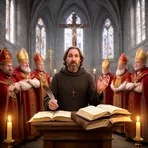
John Wiclif was an English priest in the 1300s who argued that the Bible should be in English so ordinary people could read it. Think of him opening a locked book and giving it to the public, and that image explains why his name is linked to 'religious reform' and to challenging the power of the Church.