
Ivorian
 1
5.6

- adjective
- /aɪˈvɔriən/
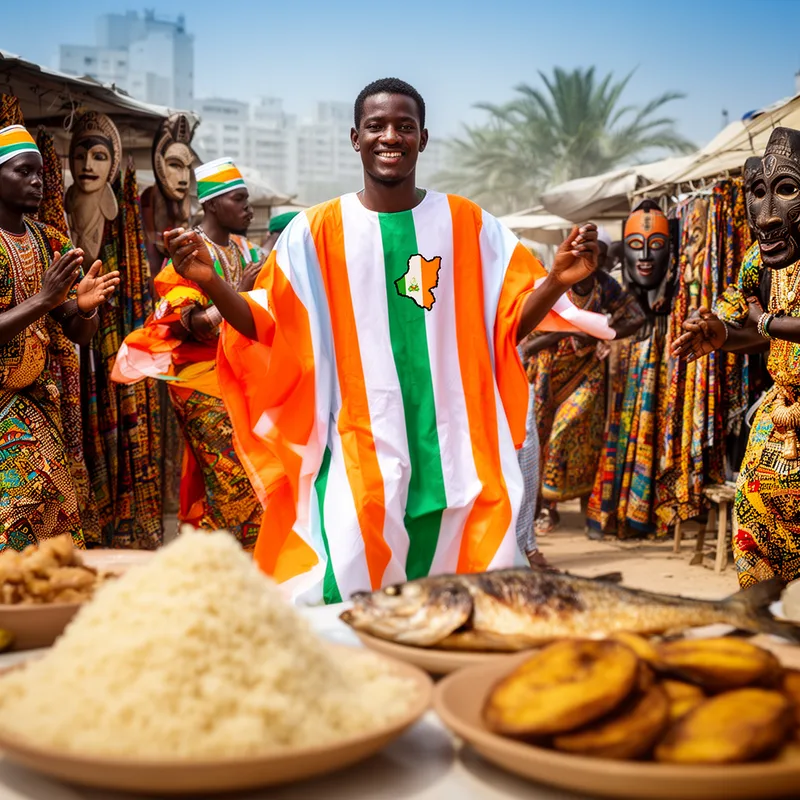
- The Ivorian culture is rich in music and dance, showcasing its vibrant traditions.
- Ivorian rice
- Ivorian government
Examples
-
The 1980s also marked a decline in the Ivorian economy after two decades of "Ivorian miracle" growth.
Academic text (2009) -
Imported rice offered consumers inexpensive food, but it also removed the incentive for Ivorian rice farmers to produce for the market.
Academic text (2009) -
Beginning in 1982, however, a different analysis of the Ivorian economy began to emerge from the World Bank.
Academic text (1998) -
In practice, reforms were never implemented, and the World Bank kept lending more to the Ivorian government.
Academic text (1998) -
The Ivorian government also wanted to find a privatization formula to reduce the huge public enterprise costs.
Academic text (1993) -
An Ivorian journalist accused two senior members of Ouattara's team of conflict of interest.
Academic text (1993) -
As a result, Ivorian traders sold imported rice at prices lower than those for domestically produced rice.
Academic text (2009) -
During the last two decades, the artists have sold figures to private individuals as well—some Ivorian and some foreign.
Academic text (2005) -
Tables 3-6 and figures 3-6 summarize the main features of the Nigerian and Ivorian privatization programs.
Academic text (1993) -
Pressure mounted from international donors, notably the World Bank and IMF, on the Ivorian government to privatize and liberalize the agricultural sector.
Academic text (2009)
Surface Forms
Morphology
Etymology
Ivorian comes from the English name Ivory Coast, a name given when the area was known for trade in 'ivory', plus the ending -ian which means 'from' or 'belonging to'. So Ivorian describes people, culture, or things that come from Côte d'Ivoire.