

Irtish River
- proper noun
- The Irtish River supports a variety of ecosystems along its journey through China, Kazakhstan, and Russia.
Examples
-
Many cities along the Irtish River rely on it for water transport and fishing.
-
During the spring thaw, the Irtish River often experiences significant flooding in its lower reaches.
-
The Irtish River flows through several countries in Asia.
-
Have you ever visited the Irtish River?
-
During the spring thaw, the Irtish River often experiences significant flooding in its lower reaches.
-
Many cities along the Irtish River rely on it for water transport and fishing.
-
The Irtish River supports a variety of ecosystems along its journey through China, Kazakhstan, and Russia.
Synonyms


 1
9.9
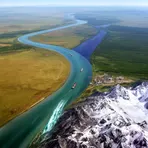
A large river in Asia that begins in the Altai Mountains and flows northwest to join the Ob River
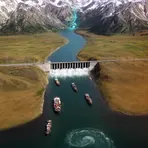
A large river in Central Asia that starts in the Altai Mountains in China and flows to the Ob River
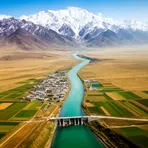
A river in Asia that starts in the Altai Mountains and joins the Ob River
Surface Forms
Morphology
The meaning 'a river called Irtish' is directly and transparently built from the proper name 'Irtish' plus the noun 'river' (a natural watercourse). This naming pattern (NAME + river) is cross-linguistically common, so a B1 learner who knows both constituents will immediately understand the MWE refers to that specific river.
Etymology
Irtish River may come from old local words meaning 'swift' or 'fast'. Think of a strong mountain river rushing quickly through several countries; that image helps explain why people called it the Irtish, a long, fast river today.