
Iron Age
- noun
- /ˈaɪərn eɪdʒ/
- Literature
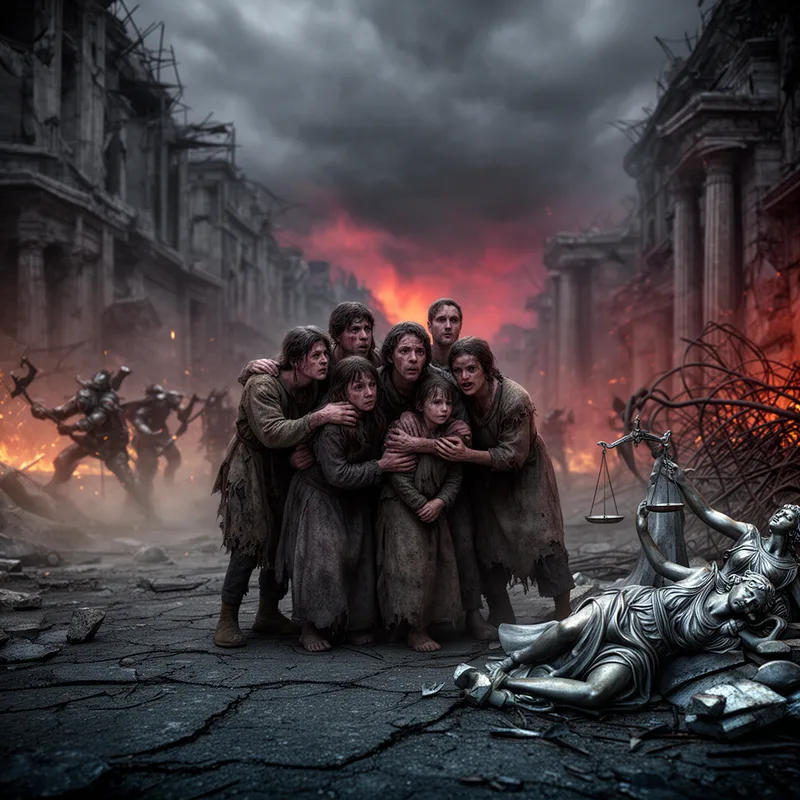
- According to mythology, the Iron Age symbolizes the decline of moral values in society.
Loading YouTube…
Watch on YouTubeThe problem is with this Iron Age thinking.
- The problem is with this Iron Age thinking.
Examples
-
The stories from the Iron Age often depict a time of hardship and suffering.
-
The problem is with this Iron Age thinking.
-
In the Iron Age, people faced many challenges, including famine and conflict.
Antonyms


Surface Forms
Morphology
The phrase combines literal constituents 'iron' + 'age', so a B1 learner can readily infer it denotes a period characterized by iron (e.g., an era defined by the metal), making part of the meaning transparent. However, the specific classical-mythological sense as the final, most corrupt age marked by moral decline and suffering is a culturally specific, metaphorical extension that cannot be fully predicted from the parts, so the expression is only partially transparent.
Etymology
Iron Age in old stories comes from naming ages after metals, where Gold was perfect but iron was hard and common. Because iron suggested something rough and difficult, writers used it to show a worse time, so the 'Iron Age' in myth means a period of decline and suffering.