
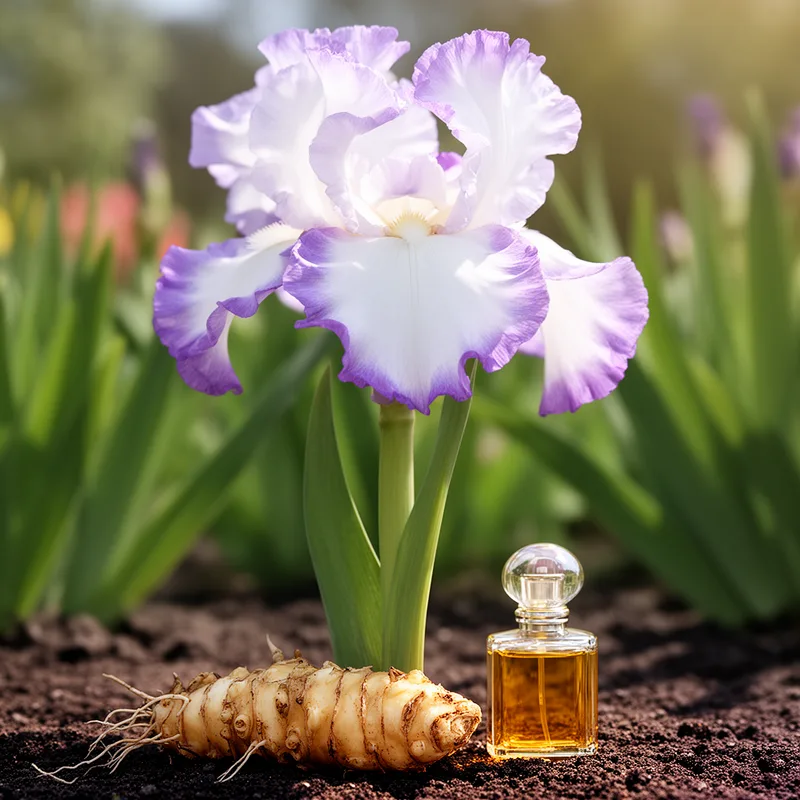
Iris germanica florentina
- noun
- Specialized
- The Iris germanica florentina is prized for its elegant white blossoms and sweet fragrance.
Examples
-
Many perfumes are made using the rhizomes of the Iris germanica florentina plant.
-
Gardeners often plant Iris germanica florentina to add both beauty and scent to their landscapes.
-
The garden features beautiful Iris germanica florentina plants.
-
Many gardeners appreciate Iris germanica florentina for its fragrance.
-
Gardeners often plant Iris germanica florentina to add both beauty and scent to their landscapes.
-
The Iris germanica florentina is prized for its elegant white blossoms and sweet fragrance.
-
Many perfumes are made using the rhizomes of the Iris germanica florentina plant.
Synonyms

A large white garden flower with a sweet-smelling underground root used in perfume
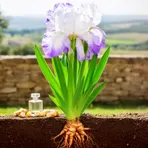
A plant from southern Europe with large white flowers, lavender tips, and a fragrant underground stem
Surface Forms
Morphology
iris + germanica + florentina
The head noun 'iris' clearly signals a flower, and the Latin epithets 'germanica' and 'florentina' function as varietal/place-name modifiers, so a learner who knows those parts could infer this refers to a particular kind of iris. However, the precise descriptive qualities (large white flowers tinged with lavender, fragrant rhizome) are specialized botanical information not recoverable from the constituents alone and the Latinate forms are not everyday vocabulary for B1 learners, so the relation is only partially transparent.
Etymology
Iris germanica florentina comes from three name parts: Iris (the flower named after the goddess of the 'rainbow' because many irises are colorful), germanica ('from Germany'), and florentina ('from Florence'). So the name points to a German type of iris tied to Florence and helps you remember it is a special iris known for its large flowers and lovely scent.

