
Indianist
- adjective
- /ˈɪndiənɪst/
- Formal
 :
indianista
:
indianista
- Several composers in the early 20th century created Indianist music inspired by Indian melodies.
Examples
-
Her Indianist research focuses on the influence of Indian philosophy in Western literature.
-
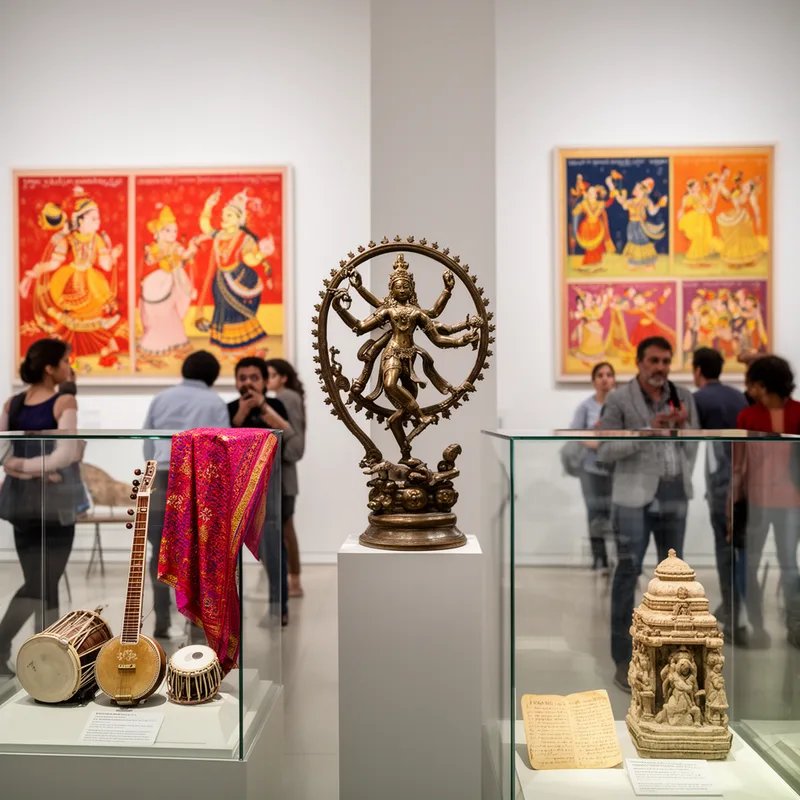
The museum organized an Indianist exhibition to showcase traditional Indian art forms.
-
The Indianist perspective is essential for understanding India's diverse cultures.
-
Many Indianist scholars focus on the impact of colonialism in India.
-
The university's anthropology department offered several Indianist courses that explored various aspects of Indian culture.
-
His Indianist studies highlight the significance of traditional Indian customs in contemporary society.
-
Through her Indianist artwork, she aims to express the beauty of Indian heritage and culture.
Synonyms

 333
1.3
333
1.3

Relating to India, its people, languages, or culture

Relating to the languages, people, and culture of India and nearby countries

Relating to the people and culture of India, Pakistan, or Bangladesh
Surface Forms
Morphology
Etymology
Indianist is made from Indian and the ending -ist, where -ist means 'related to' or 'a person who' (think of artist or specialist). So as an adjective it describes something 'relating to India' or its culture, often when studied or shown by people who are not Indian.