
ISO
 1
5.5
1
5.5

- noun
- /ˈaɪsoʊ/
- Specialized
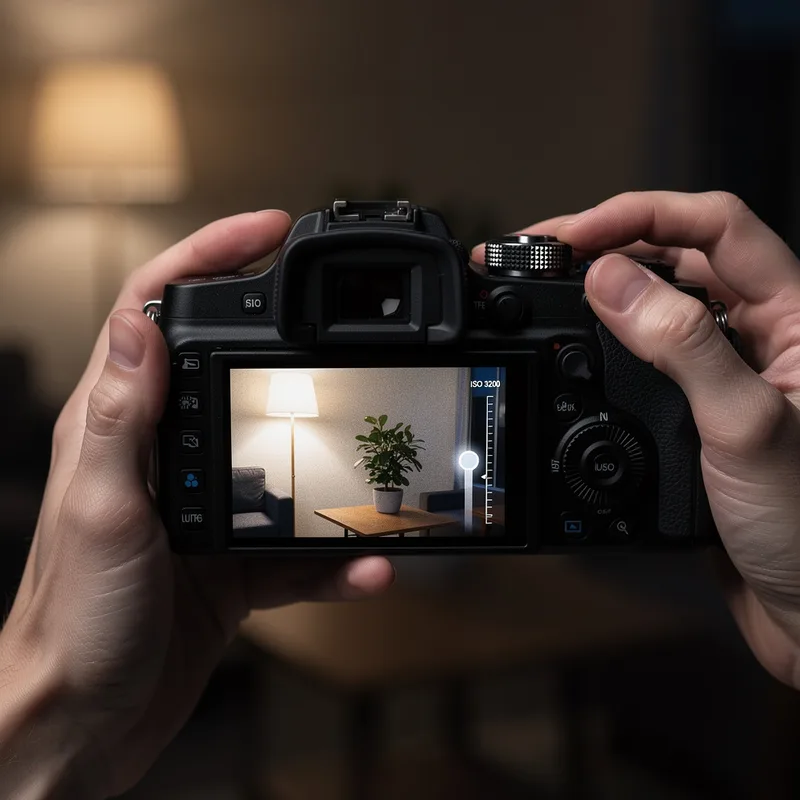
- Using a high ISO setting can help capture clearer images in dimly lit environments.
Loading YouTube…
Watch on YouTubeAnd the, the images, the, the, the low light shots, high, high ISO shots were actually incredible.
- And the, the images, the, the, the low light shots, high, high ISO shots were actually incredible.
- If you've noticed like really high ISO, low light images, we'll have a little bit less of that.
- So if you want to do something like just shutter speed, ISO and aperture, you could do that as well.
- So now you can actually color grade it and stuff And yeah, like the dual native ISO that it has, allowing it to basically shoot.
- All the dark scenes in this video were shot at this maximum ISO, but look how dark it is compared to just a single candle.
- You know, I've even got the ISO on this on auto and it's still a bit problematic that strobing is getting on my tits.
Examples
-
In general, photos at lower ISOs will have less noise.
Blog text (22) -
So if you want to do something like just shutter speed, ISO and aperture, you could do that as well.
-
All the dark scenes in this video were shot at this maximum ISO, but look how dark it is compared to just a single candle.
-
And you can see that clear when I zoom in and change my ISO to brighten it a bit.
-
Having the ability to change ISOs "on the fly" with my digital camera came in handy.
Academic text (2005) -
I'm going to have to lower the ISO to capture all the colours glitter that are in here.
-
Lower ISOs give sharper results.
Blog text (14) -
Also, the quality of the output has improved over the years, not just pixel image, but the ability to shoot at high ISOs, etc.
Blog text (4) -
The real downside of high ISOs is the limited dynamic range.
Blog text (25) -
Today's latest cameras, be they compacts or DSLRs, are designed to perform at extremely high ISOs.
Blog text (20)
Surface Forms
Etymology
ISO in photography comes from the international group ISO that set numbers to show a film or sensor's 'sensitivity' to light. That's why a higher ISO number makes the camera more sensitive in low light but can also make pictures look noisier.